


The
edit
Books are a boon companion.
Stop staring at the shelves of your local bookstore – let us point you towards some of our faves.
Our January Reads
Dr Tara Swart’s The Source
If you’re interested in neuroscience, leadership, performance, or creating a more intentional life and career — this is a brilliant read and a powerful way to start the year.
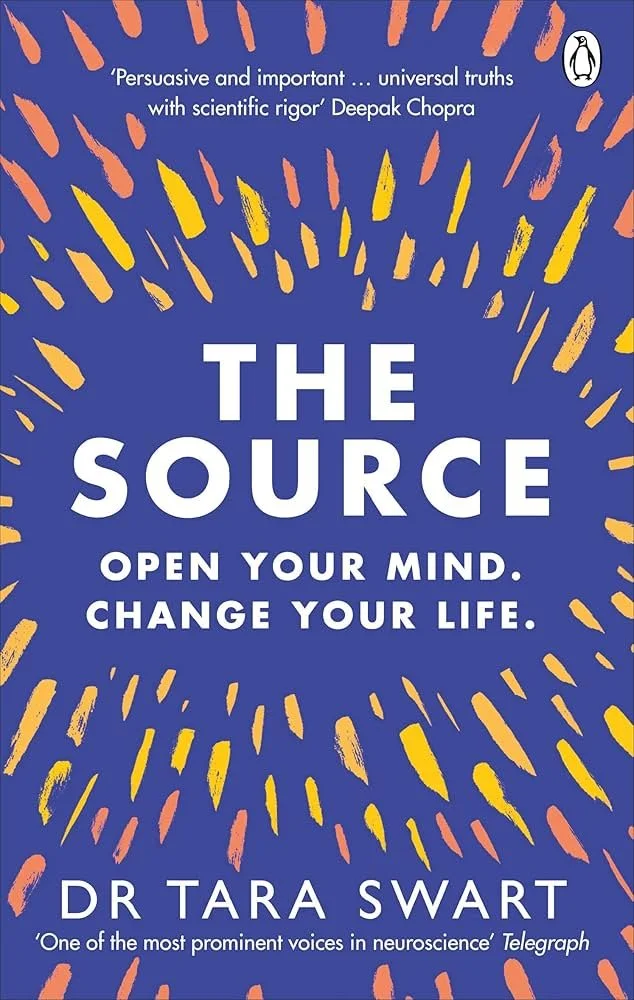
We’re kicking off 2026 with Dr Tara Swart’s The Source — and what a place to start.
Dr Tara Swart is a medical doctor specialising in psychiatry, a neuroscientist, and an executive coach. The Source is deeply researched yet incredibly accessible — a practical guide to how our minds work, what holds us back, and how we can create meaningful change in our lives and careers.
This is not a book about wishful thinking or surface-level manifesting. It’s grounded, science-backed, and action-oriented.
What stood out most for us:
The evolution of our brains
We’ve become hyper-logical and disconnected from emotion, intuition, and instinct — favouring productivity, control, and status over depth, connection, and meaning. We’ve stopped being and started endlessly doing, often on autopilot. Artificial Intelligence is the next shake up to the evolution of our brains and bodies.Whole-body intelligence
Rather than pitting head against heart and gut, (the ‘three brains’ we often try to differentiate – or feel like opposing views) The Source explains why our best decisions often come when rational thinking, emotion, and intuition are aligned. This is what law-of-attraction enthusiasts call the “intention point”, and neuroscience fully supports.The alignment crisis
When we’re stuck in roles or situations that drain us, chronic stress and elevated cortisol impact both our wellbeing and performance. Alignment and balance isn’t fluffy — it’s foundational to sustainable success.Bias, fear, and mental shortcuts
Our brains are wired to prioritise thinking about loss and risk twice as much as thinking about positive gain. Swart offers powerful ways to consciously interrupt unhelpful mental patterns.Caring for the brain
From hydration to rest, sleep, joy, and recovery — performance starts with physiology. Even mild dehydration can significantly impair focus, attention and memory.
A key insight that really stayed with us:
Our brains constantly tag present experiences based on past ones, assigning positive or negative meaning through memory. It’s efficient — but it also means we’re wired for assumption and bias.
Without awareness, we end up reacting to the past, not responding to the present.
Swart encourages us to become a watchman of our own minds and challenge this automatic pattern recognition by asking:
What’s different about now?
Is my interpretation of the past situation actually accurate?
Could I view this from another perspective?
This kind of whole-brain reflection helps us counterbalance our thinking — and make decisions that are more conscious, aligned, and intentional.
At its core, The Source reminds us that we’ve become overly biased toward logic when defining success, often at the expense of our deeper needs, intuition, and emotional intelligence.
If you’re interested in neuroscience, leadership, performance, or creating a more intentional life and career — this is a brilliant read and a powerful way to start the year.
We highly recommend adding it to your 2026 reading list.
Guided: The Secret Path to an Illuminated Life
By Laura Lynn Jackson, New York Times bestselling author of Signs
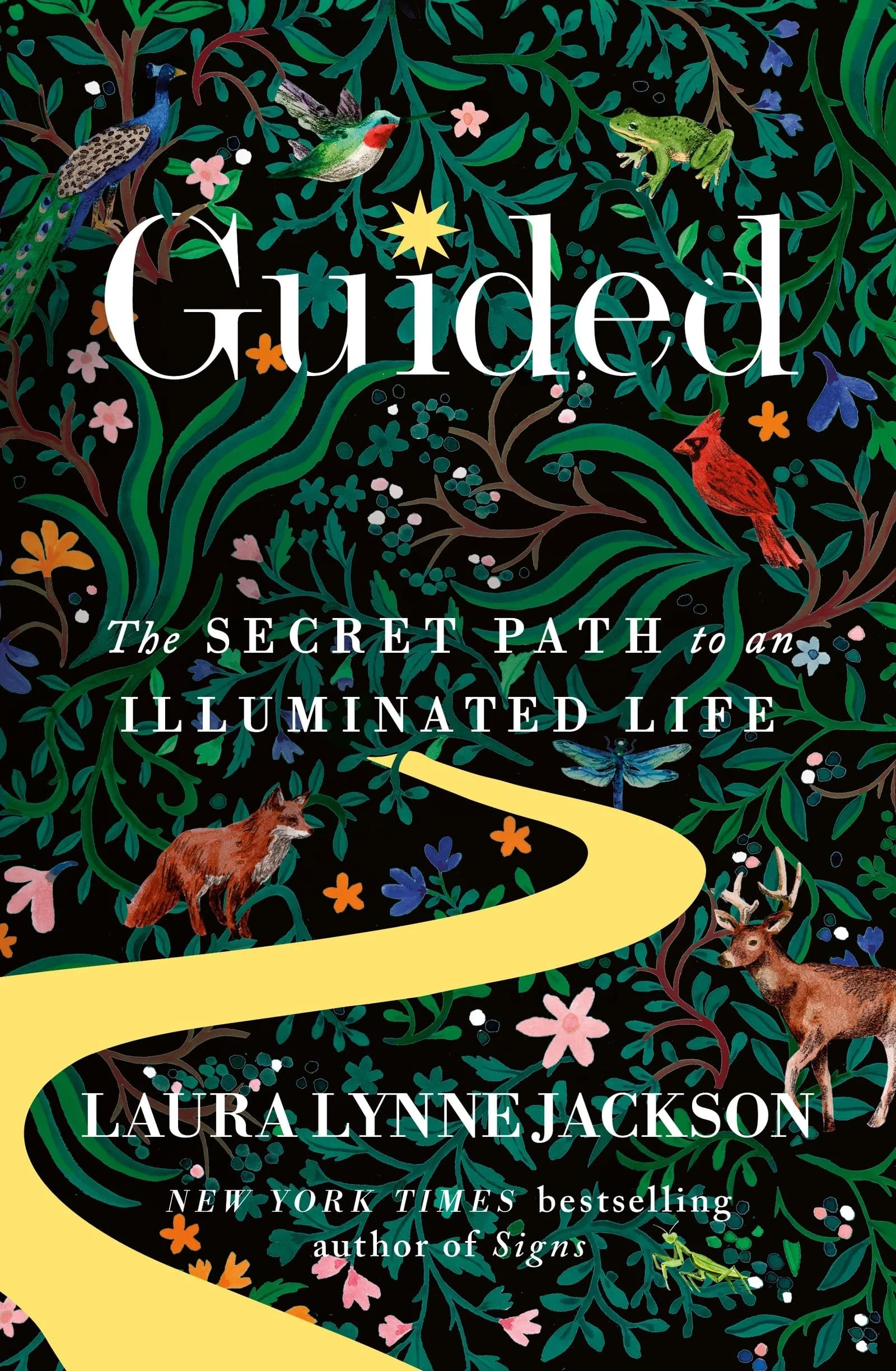
I first came across Laura Lynne Jackson’s work when I stumbled upon her book Signs: The Secret Language of the Universe. Having grown up in a deeply spiritual household, I’ve always believed we exist in two realms.
There’s the horizontal world — the rational, physical reality we experience through our five senses. And then there’s the vertical world — our relationship with something greater than ourselves, something that can’t always be measured, proven, or explained by cause-and-effect science.
To me, a life lived only in the horizontal realm risks becoming hollow. It’s the vertical realm that gives life meaning and depth. That connection shows up differently for everyone — through religion, spirituality, God, nature, or simply the awareness that there are larger forces at play. I love stepping into that vertical world, and Laura Lynne Jackson’s work has consistently been a beautiful gateway.
Her Goop Lab episode “Are You Intuit?”, along with her earlier book The Light Between Us, only deepened my curiosity. So when her latest book, Guided, was released, it felt like a natural next step.
Laura Lynne Jackson is a teacher, speaker, and psychic medium, certified by both the Windbridge Research Center and the Forever Family Foundation. In Guided, she explores mediumship, universal communication through signs, and the growing body of research that supports humanity’s connection to the vertical realm. Interwoven throughout are powerful stories from clients, strangers, and loved ones who have tapped into this realm for comfort and guidance during some of the most challenging moments of their lives.
I’ll admit — I’m deeply sentimental. Reading this book in public was impossible. I found myself regularly in tears, not from sadness, but from being profoundly moved. These stories reflect our shared human experience — love, loss, grief, hope — and remind us that we’re not alone in navigating it all.
The stories themselves are too rich to summarise here, but below are some of my favourite takeaways from Guided — insights that might help you decide if this book is for you.
Key Takeaways from Guided
1. Plants may experience fear
In 1966, scientist Cleve Backster discovered that plants appeared to respond emotionally — much like humans — when under threat. Initially dismissed, his findings were later supported by Russian scientist Konstantin Korotkov, suggesting plants may possess a form of extrasensory perception.
2. ESP has been observed in humans — particularly in people with autism
Research by Diane Hennacy Powell suggests that some autistic children demonstrate ESP abilities, potentially because they are less tethered to material distractions and more attuned to the present moment and shared information field.
3. The Butterfly Effect is real
Meteorologist Edward Lorenz showed how tiny, almost imperceptible changes can lead to dramatic outcomes — a concept now applied far beyond weather, reminding us how small actions can have vast consequences.
4. Trauma can be passed down through generations
Emerging research suggests trauma may influence DNA and affect future generations, either biologically, behaviourally, or through collective experience.
5. Unselfconscious art is a powerful intuitive practice
Children create freely because they haven’t yet learned self-judgement. As adults, reclaiming creativity without expectation or critique can reconnect us to intuition and something greater than ourselves.
6. Dreams can lead to genius
History is filled with breakthroughs born from dreams — from the discovery of insulin, to the periodic table, to iconic songs by The Beatles and The Rolling Stones. Dreams can be inspirational, lucid, pre-cognitive, or deeply connective.
7. Earthing (grounding) supports wellbeing
Direct contact with the Earth — like walking barefoot on grass — has been shown to improve sleep, reduce pain, relax muscles, and support overall health.
8. Nature is being prescribed as medicine
In some countries, doctors now prescribe time in nature: walking a dog, touching the sea, appreciating clouds, feeding birds, or simply feeling the wind.
9. Art can be medicine
Observing or creating art has been shown to boost serotonin, increase pleasure-related brain activity, foster new ways of thinking, and help us imagine hopeful futures. Even more fascinating — shared artistic experiences can synchronise our heartbeats.
As Laura Lynne Jackson reminds us, many ideas once ridiculed — from germ theory to quantum physics — are now accepted truths. The same may one day be true for concepts like reincarnation, life after death, and past lives.
To live an engaged, guided, and illuminated life is to remain curious, open, and willing to explore the unseen bonds that connect us all.
Guided is a powerful place to begin.
Happy reading,
Jacqui
Our 2025 Archive
The 3 Things You're Trying to Avoid — That Are Actually Blocking Your Potential
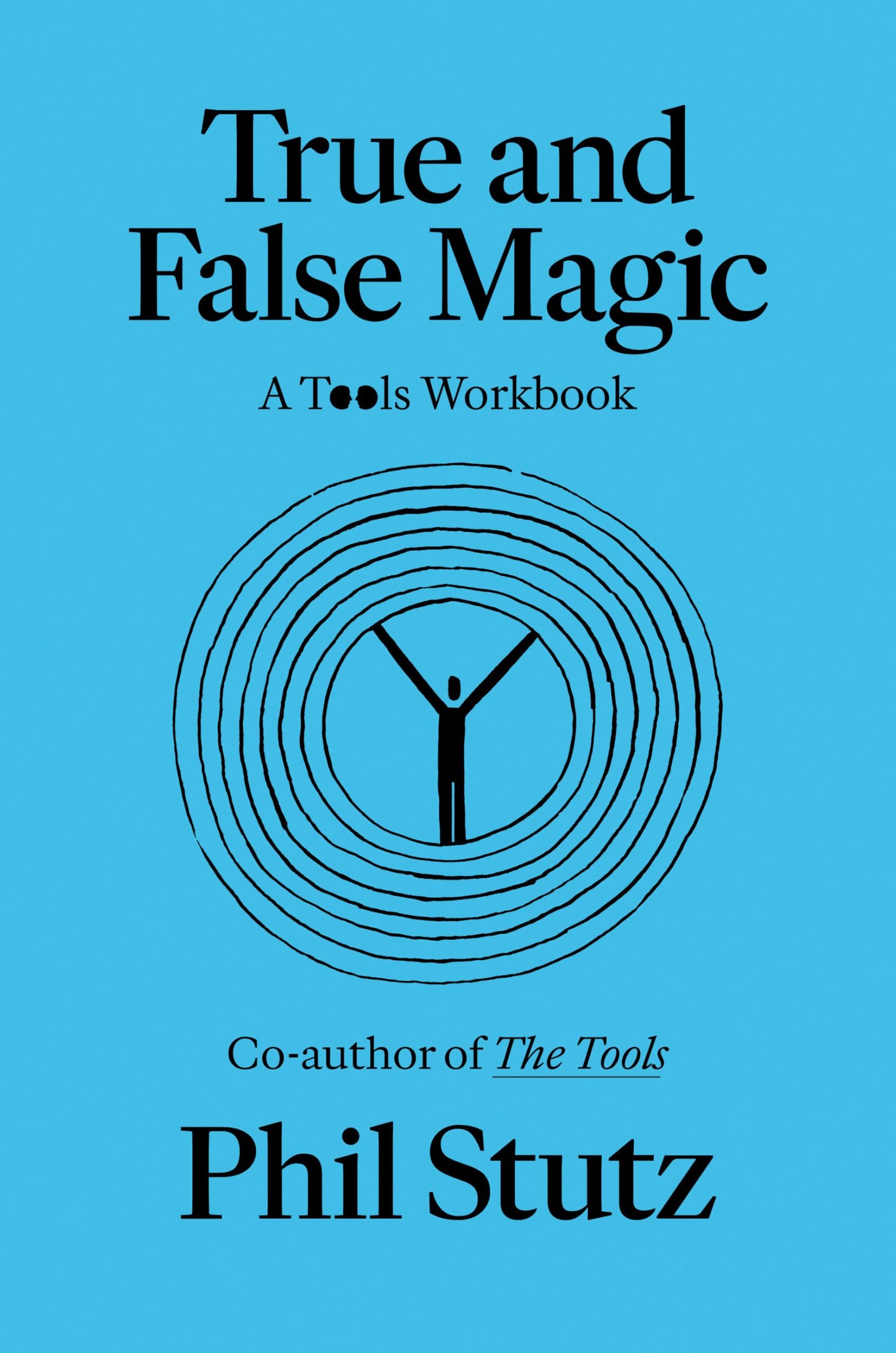
True and False Magic, a masterpiece by Phil Stutz
“Stutz calls this “eating the death cookie” — choosing to embrace discomfort in order to let go of an old version of yourself, and re-birth a more capable one.”
Hey, it’s Jacqui here! Over the weekend I read a phenomenal book called 'True and False Magic' by Phil Stutz — a world-renowned psychiatrist who specialises in offering unconventional “tools” to help navigate the human condition.
One of those tools is a framework that really stayed with me, because it’s so relevant to the many career conversations I’ve been having with people lately — particularly those feeling misaligned.
Stutz suggests that most of us are held back from fulfilling our potential because we’re doing everything we can to avoid three unavoidable things in life:
1. Pain
2. Uncertainty
3. The need for constant work
If you think about something you feel called to do — something that tugs at you, but that you haven’t yet acted on — chances are, you’re avoiding it because you’re trying to dodge at least one of these.
1. Pain
Anything outside our comfort zone is, by definition, uncomfortable. But discomfort is the phase before achievement. Whether it’s showing up on social media more, pivoting careers with a pay cut, or having the tough conversation — the pain of stepping forward is the cost of growth.
Stutz calls this “eating the death cookie” — choosing to embrace discomfort in order to let go of an old version of yourself, and re-birth a more capable one.
2. Uncertainty
We often want certainty before we commit: proof that the decision is right, that it’ll work, that we won’t fail. But certainty doesn’t come first — it comes after you take the leap.
Intuition often doesn’t feel rational or predictable, which is why we tend to outsource decisions — to AI, mentors, horoscopes, psychics — anything that gives us a sense of confirmation. But following intuition means stepping into the unknown, and trusting that you’ll build the path as you go. Faith is the antidote to uncertainty.
3. The Need for Constant Work
Most people don’t talk about how unrelenting real transformation is. There is no shortcut, no single moment of breakthrough that takes the place of doing the real work. Whether you’re building something new, reinventing yourself, or choosing a different path — the work doesn’t stop. And that’s the point. We search for ease, but ease doesn’t build anything. Consistent, often thankless effort is the magic.
And so here’s the real question:
Which of the three unavoidables are you trying to avoid right now, that are preventing you from fulfilling your potential?
Is it pain? Uncertainty? The need for constant work?
Because these are the things designed to keep you trapped in your comfort zone. But the opportunities waiting on the other side are infinite. And the irony is that we will be experiencing all three, whilst we are trying to avoid all three. So it’s actually all just an illusion — which is why no matter what we do — they’re the three unavoidables of life.
This share is just the tip of the iceberg of this incredible book — I highly recommend the read.
On Our Best Behaviour: The Seven Deadly Sins and The Price Women Pay to Be Good — Elise Loehnen’s Salve for the Soul
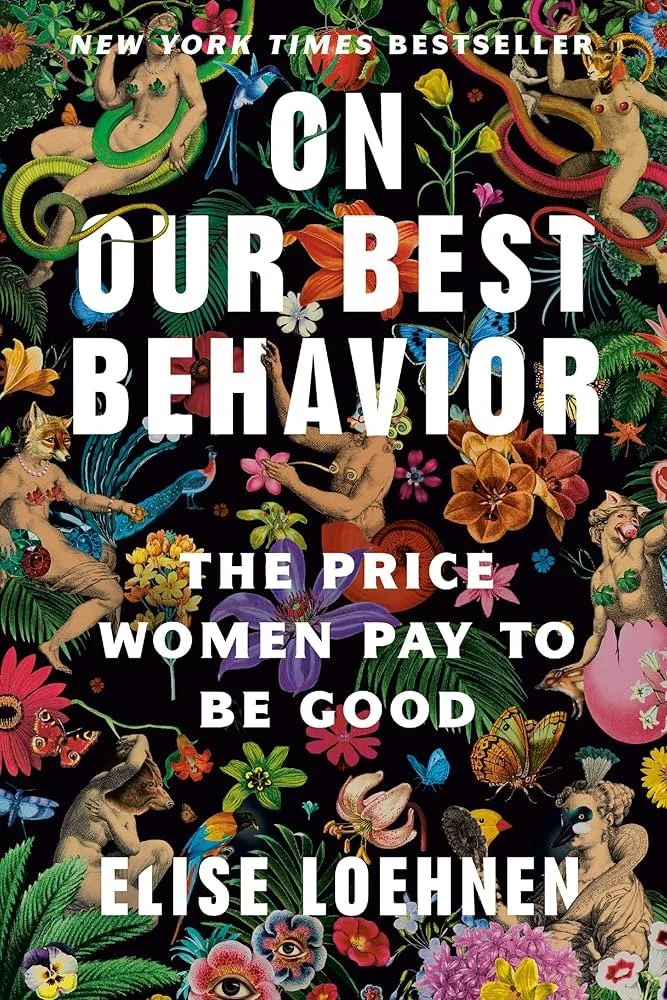
If you are an avid fan of Goop like us, you will likely be very familiar with the talents of Elise Loehnen. Loehnen was Gwenyth Paltrow’s right hand woman in building the Goop empire, and she became even more familiar as the host of the Goop podcast, and a key person in the Goop Netflix series.
Since leaving Goop, she has launched her own podcast ‘Pulling the Thread’ (highly recommend) and has also made her debut as an author of her first book. Although it’s worth noting that Loehnen is no stranger to the literary world, having worked as a ghost writer for many successful books already.
In this book, Loehnen challenges the old and outdated societal pressures and standards placed on women in today’s society. She draws synergies between the archaic Seven Deadly Sins, and how they still somehow dictate the way a woman must behave in society, if they want to be perceived as ‘good’. Shattering this unfair and patriarchal paradigm, Elise reminds us that these sins may indeed be exactly what we need to embrace, if we are to thrive — reframing each one as a positive call for realignment within each of us, if we are to be truly good for ourselves.
SLOTH: Believing Sloth to be sinful, we deny ourselves rest.
ENVY: Believing Envy to be sinful, we deny our own wanting
PRIDE: Believing pride to be sinful, we deny our own talents
GLUTTONY: Believing gluttony to be sinful, we deny our own hunger
GREED: Believing Greed to be sinful, we deny our own security
LUST: Believing lust to be sinful, we deny our own pleasure
ANGER: Believing anger to be sinful, we deny our own needs
+ SADNESS: Believing sadness to be sinful, we deny our own feelings
Intelligently and honestly written, and full of personal anecdotes which are sure to strike resonance with many people — we highly recommend.
The Power of Regret — Modern Day FOMO by Dan Pink
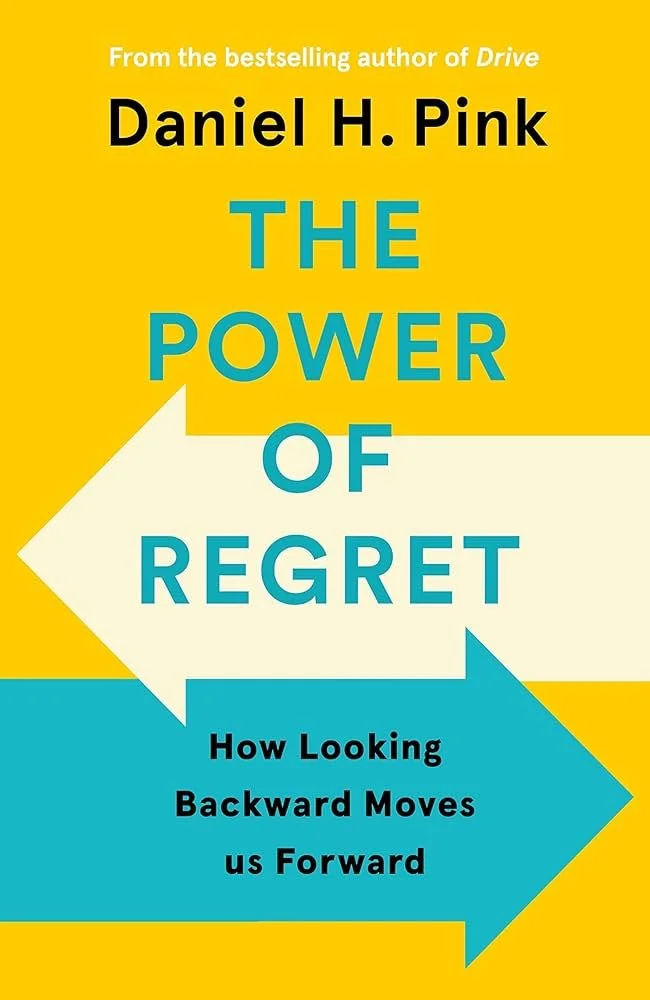
“Regret is one of the heaviest emotions to carry as a human - we must learn self-compassion for ourselves, and compassion for others. Everyone makes mistakes.”
Recently we had the privilege of listening to best-selling author Dan Pink speak at the Dean Street Townhouse about his new book ‘The Power of Regret.’
Since then the boon team have read his book, so we thought we’d share our four biggest take-aways — and perhaps encourage you to read the book too!
1. Regrets can only be self-accountable; they are the result of our own actions, choices and behaviours. If someone else has done something regrettable to us — we can only be disappointed, we can’t be regretful. Regret is one of the heaviest emotions to carry as a human — we must learn self-compassion for ourselves, and compassion for others. Everyone makes mistakes.
2. After collating the regrets of over 16,000 people, Dan Pink discovered that our regrets fell into four key categories:
a) Foundation Regrets: The regrets we might have about taking or not taking action on areas that affect the very foundations of our lives today; namely around education/career, finances and health.
Sounds like: “If only I’d done the work”
The human need it reveals in us: Stability
b) Boldness Regrets: Regretting the actions we didn’t take; we weren’t bold enough to go after what really mattered to us.
Sounds like: “If only I’d taken the risk”
The human need it reveals in us: Growth
c) Moral Regrets: Acting out of alignment with our values and not being the good person we wanted to be.
Sounds like: “If only I’d done the right thing”
The human need it reveals in us: Goodness
d) Connection regrets: Fractured or unrealised relationships, friendships, partnerships or family ties.
Sounds like: “If only I’d reached out”
The human need it reveals in us: Love
3. We are far more likely to regret the things we didn’t do (missed opportunities), than the things we did do — and the statistics of regretting inaction only gets larger the older we get. We regret not living up to our own expectations of ourselves more than anything else.
4. The way forward:
Regrets make us feel worse today so that we can do better tomorrow.
They are encouraging us to have a bias for action in those areas of our lives today.
Anticipating regret can be a useful strategy in making better decisions today.
Rocket ship yourself into the future (5 / 10 years time) — will you regret your inaction today in any of the big four areas of your life? (foundation, boldness, moral, connection)
What action can you take today to ensure this does not happen?
Let’s Talk Coaching.
Thinking About Coaching Accreditation? Here’s a Good Place to Start.
Choosing to study coaching and work toward accreditation with the ICF or EMCC is a big decision. It’s not just about the financial commitment — it’s also the time, energy, and focus you’ll be investing. Before you take that step, it can be reassuring to explore the field and get a feel for whether the journey is right for you.
Books are a brilliant way to do just that. They let you dip your toe into the world of coaching, pick up new perspectives, and even start applying practical tools in your everyday life and career — without the pressure of a formal programme.
With that in mind, we’ve gathered our top recommendations for books that are honest, insightful, and genuinely useful. They’re great companions if you’re already working toward ICF or EMCC accreditation — and just as valuable if you’re still weighing up your options.
Whichever camp you’re in, the time you spend with these books will give you a return far greater than the investment.
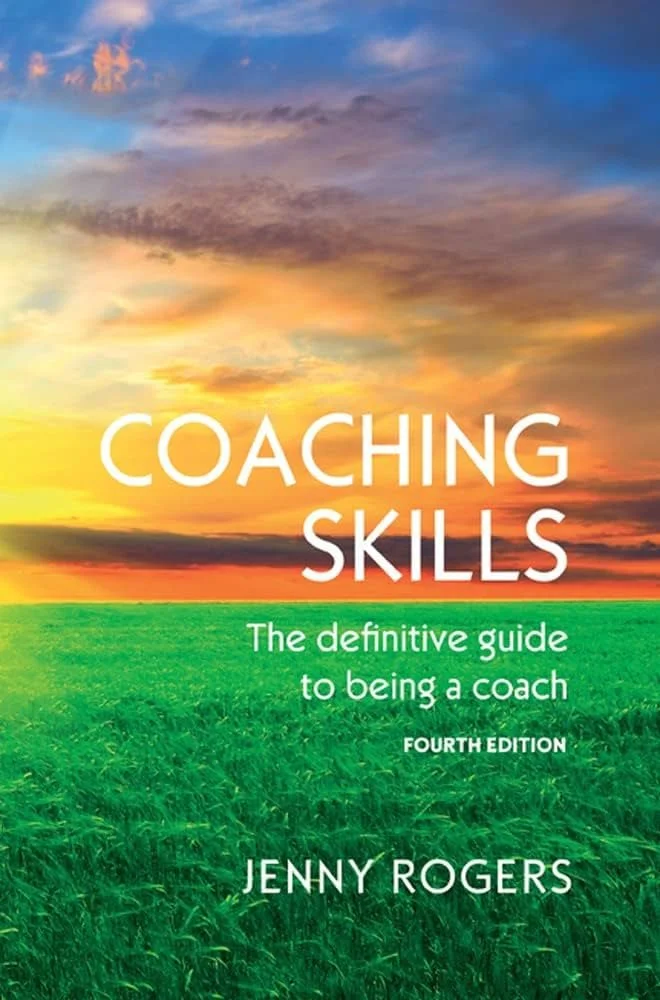
Coaching Skills — The definitive guide to being a coach, Jenny Rogers
This one tops our list for good reason. Our founder read it alongside studying for her ICF credential and completing her practitioner hours, and it quickly became the perfect companion.
What stood out was how closely the book mirrored real-life coaching practice — every client scenario she encountered seemed to have a parallel within its pages.
It’s an engaging, highly practical guide that manages to cover (almost) all the essentials in one place — making it a must-have for anyone serious about learning the craft of coaching.
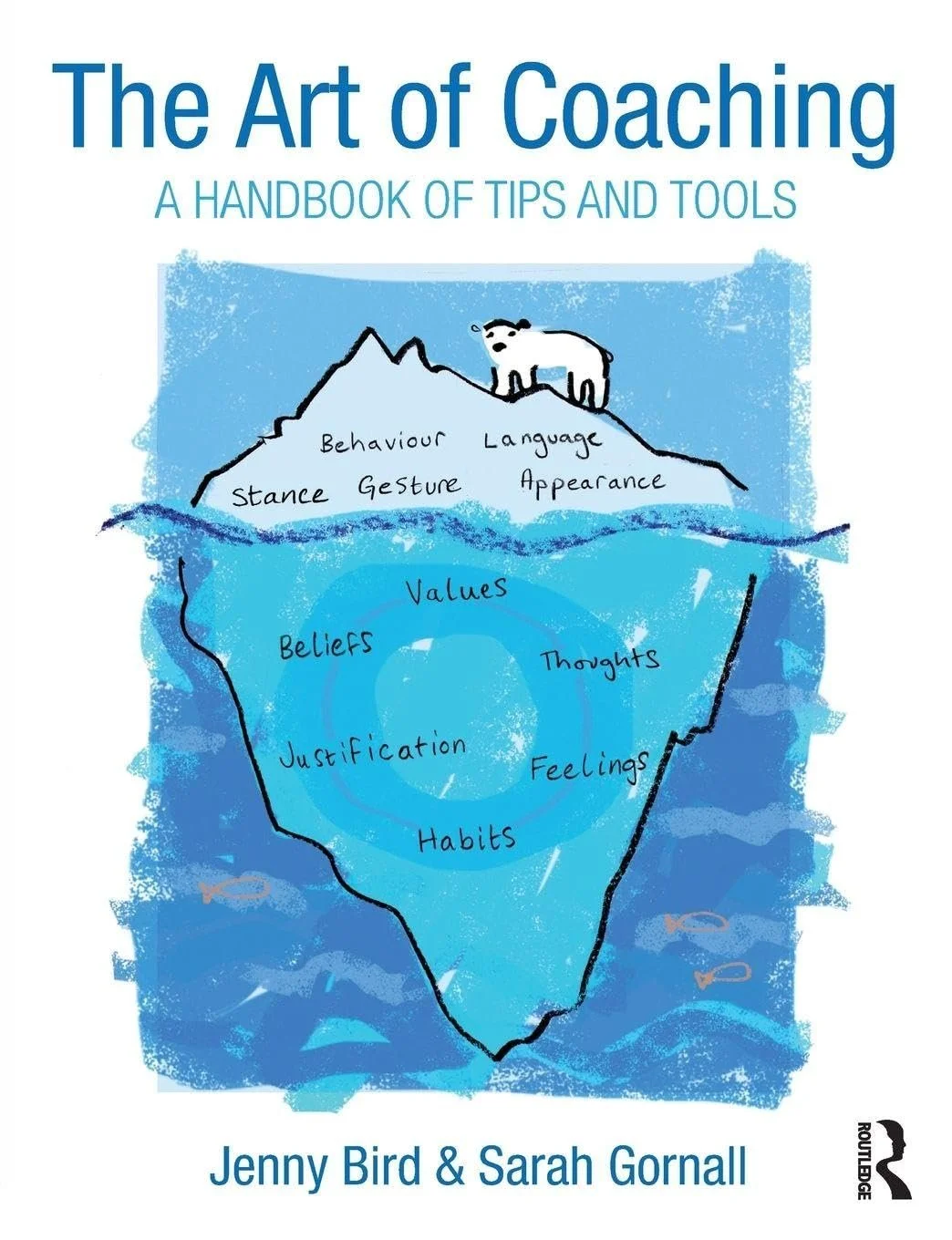
The Art of Coaching — A Handbook of Tips and Tools, Jenny Bird and Sarah Gornall
If you sometimes find yourself running out of fresh ideas for exercises or tools to use with clients or team tembers, this book is a fantastic resource. It lays out a wide range of practical, creative approaches that can easily be adapted to different coaching contexts.
What makes it so useful is the sheer variety—you’ll find techniques to spark reflection, shift perspectives, and help clients move forward in meaningful ways. It’s the kind of book you’ll keep dipping back into whenever you need inspiration for your coaching toolkit.
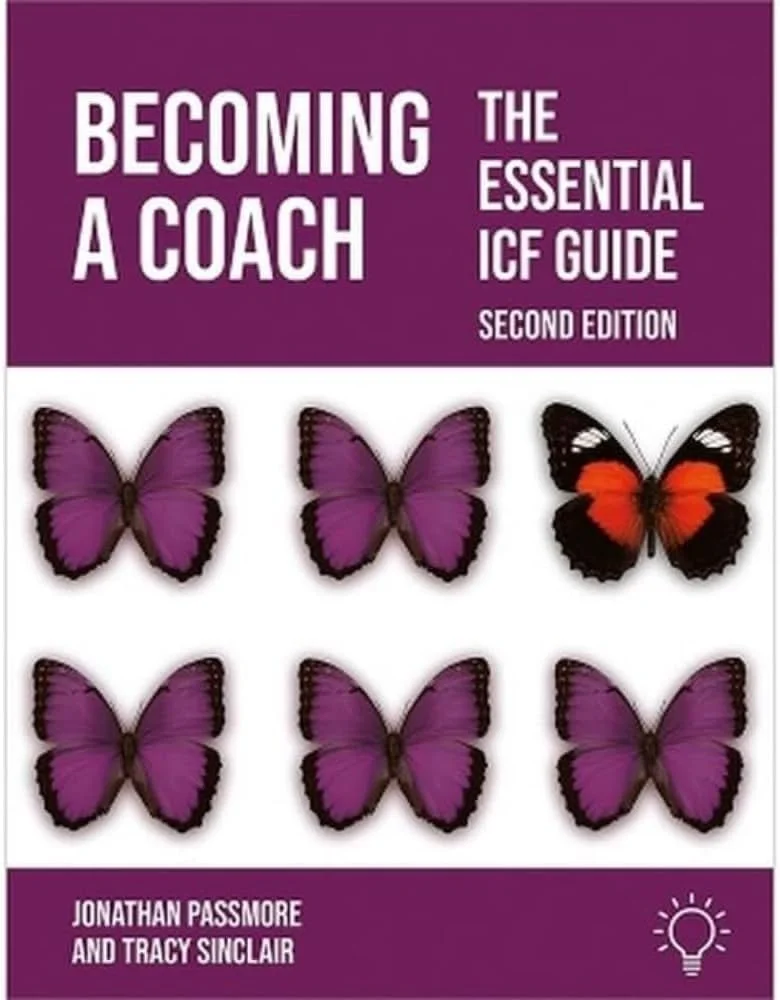
Becoming A Coach — The Essential ICF Guide, Jonathan Passmore and Tracy Sinclair
If you’re aiming for the highly regarded ICF coaching accreditation, this book is an invaluable guide. It walks you step by step through the ICF core competencies, breaking them down into clear, practical guidance that you can apply straight into your coaching practice.
It’s especially helpful in the run-up to exams — acting as both a reference point and a confidence boost. Think of it as a trusted study partner that keeps you focused on what really matters.
What will you read?
Coaching may not have strict rules or pathways, but that gives you the chance to take charge of your own development. Every book you read, every skill you practice, every lesson you reflect on shapes the kind of coach you become.
Keep learning, stay curious, and keep showing up — not just for your clients, but for yourself too.
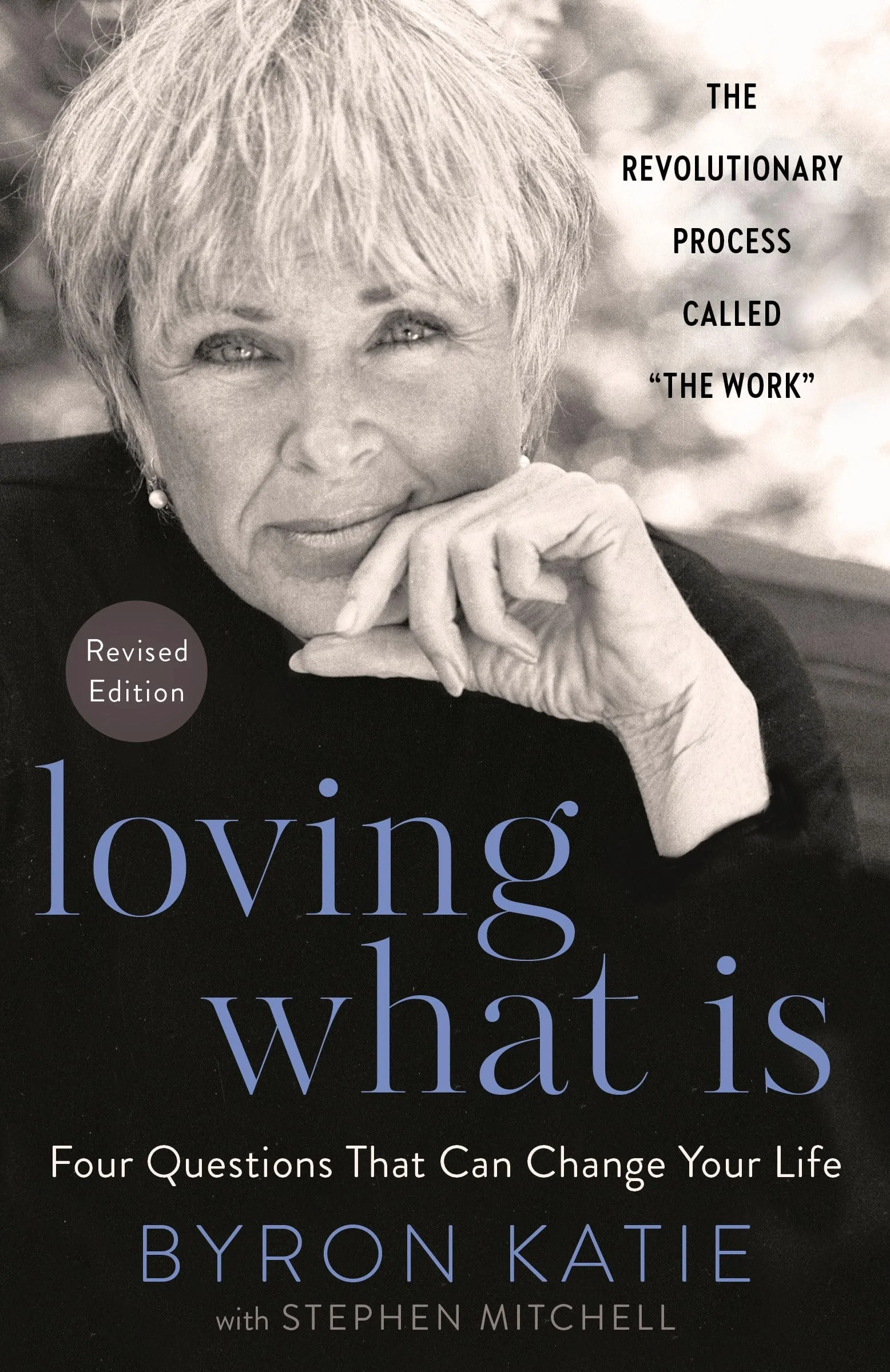
If there’s a holy grail of mindset work, this book is it.
She was famous for coining the term ‘doing the work’ — and this book has remained one of the best books on mindset work there is.
Byron Katie’s approach is deceptively simple but utterly transformative: by questioning our limiting beliefs, we can reframe them into something more positive, more productive, and far less judgmental.
Instead of trying to control others, we learn to release what isn’t ours to hold.
Instead of getting stuck in negative thought loops, we learn how to challenge them — and set ourselves free.
The result? More peace. More clarity. More energy for the things that truly matter.
Loving What Is gives you the tools to turn your mindset from limiting to liberating.
If you want a book that can shift the way you see your entire life, this is it.
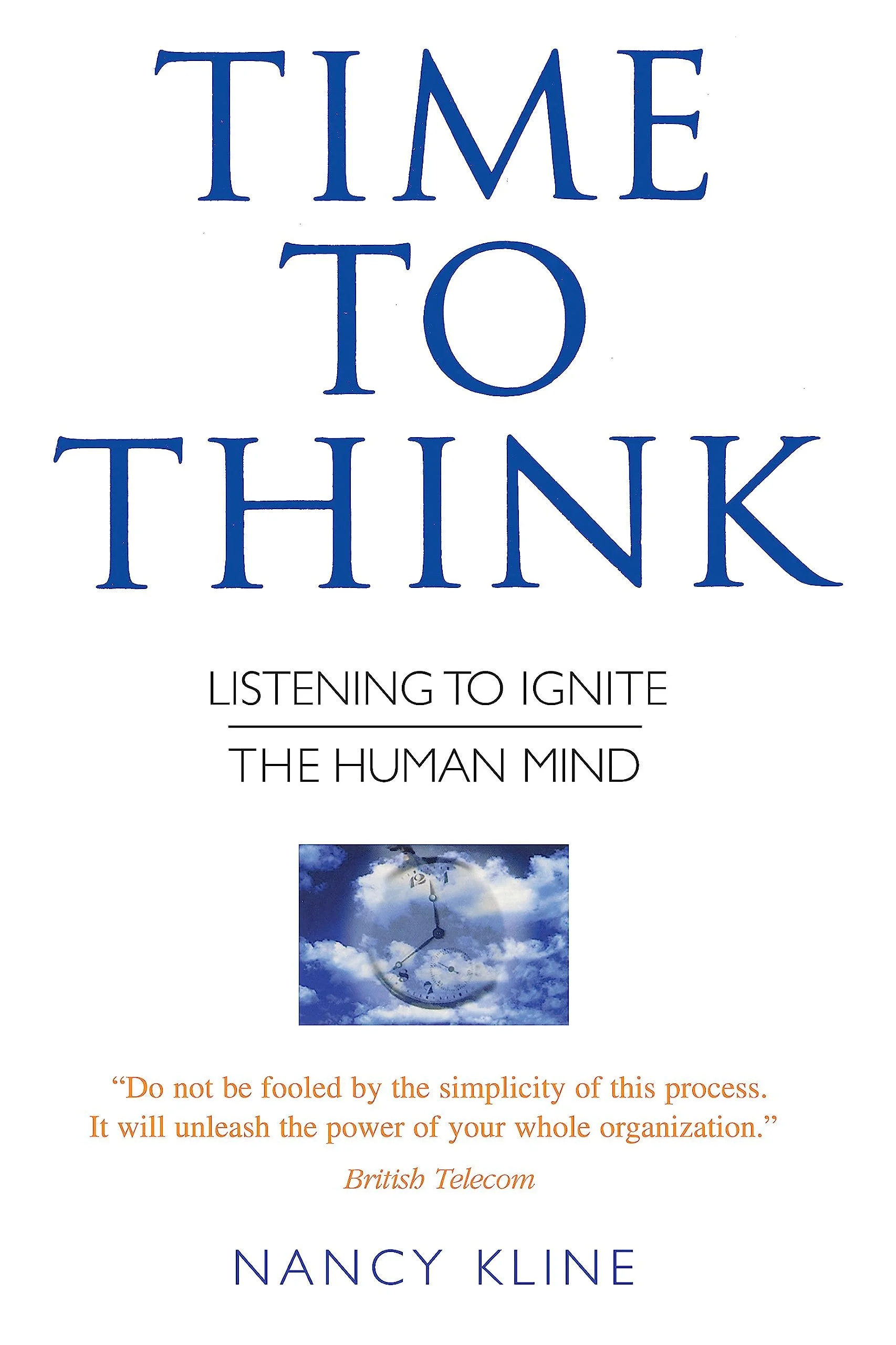
Feeling like your attention span is shrinking? — It’s time to rethink how we think.
In a world where attention spans are shrinking and conversations often skim the surface, Nancy Kline’s Time to Think feels more relevant than ever.
Her core message is simple but profound: the quality of everything we do depends on the quality of the thinking we do first. And that quality of thinking is directly shaped by how well we listen.
Instead of rushing, interrupting, or half-listening while we scroll, Kline reminds us that creating genuine space — without distraction — allows others (and ourselves) to think more deeply, more clearly, and more creatively.
Imagine what could shift in your relationships, work, and life if you truly slowed down, listened fully, and gave others the rare gift of your undivided attention.
If you’re looking for a book that challenges the culture of quick takes and shallow engagement, this one is a powerful place to start.
To change the way we think, we must first change the way we listen.