


The
edit
Books are a boon companion.
Stop staring at the shelves of your local bookstore – let us point you towards some of our faves.
Leadership, Coaching & Impact
Give and Take: Adam Grant’s social research experiment
It’s an oldie — but a goodie. Adam Grant’s Give and Take has been on our reading list for some time.
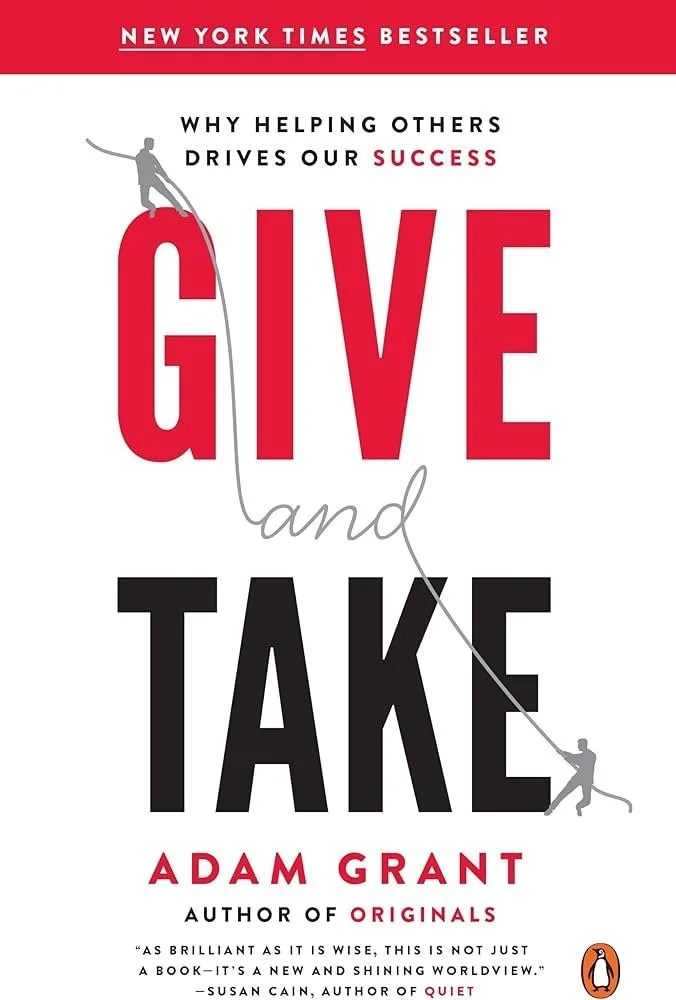
I was inspired by one of my clients to read Give and Take by Adam Grant. They’d read it in their company book club last year and said everyone found it really insightful — which made me curious.
The notion of ‘give and take’ is something we’re all aware of. But I don’t think we spend enough time thinking more deeply about it. Because it sits at the centre of so much in our personal and professional lives; our values, our boundaries, our standards, our relationships, our careers, our identity and our ego. It’s truly a lens through which we view the world — and the relationships with the people we share it with.
I’m a giver. Most the time it feels aligned and creates the world I want to live in. But sometimes I experience an inner conflict when I worry whether I gave too much — at the cost of my own priorities, time and energy. I usually recognise this tipping point into 'too much' when I realise I've developed an expectation of reciprocation because I’ve given so much. And that’s a bad place to land — giving with expectation.
Perhaps you can relate to moments where, in hindsight, you've felt taken advantage of. Where gratitude wasn’t quite there. Where you'd wished you'd set boundaries sooner — before the taking resembled an unravelling ball of string. When you realise you're still learning your boundaries and read of people. When giving tips into feeling used.
If so - this is an insightful read.
Is it good to be a giver?
Should we be more of a taker?
Or is it really about being a matcher?
One of the most interesting findings in the research is that being a giver is both the best and worst strategy for your success.
Givers tend to end up either at the very top — or the very bottom. So what is the deciding factor?
The successful giver is the one who also asks for help.
But let me be clear — this isn’t about reciprocation. Giving whilst expecting something in return is matching. That’s transactional. I do something for you, you do something for me, and we move on. And it’s often manipulation in giver’s clothing.
Giving and asking for help is different.
It’s being comfortable with the fact that your giving may not be reciprocated by the same person, nor at the same time — but trusting that by being a giver, when you genuinely need support in the future, you’re likely to receive it because you’ve built the good karma and social capital — and people like to see givers succeed. The key is actually asking. And understanding that the help may come from somewhere entirely different.
Takers, on the other hand, often get what they want in the short term. But over time it’s unsustainable. Relationships erode. Reputations suffer. And interestingly, research shows that people want takers to fail. If anyone is plotting revenge and takedowns — it’s against the takers. When people feel taken advantage of by a taker, they respond with reputational damage — gossip.
So if you’re a (contemplative) giver like me, here are a few things I’m taking away from this great read:
Give generously, but be mindful of your boundaries and the cost to you — you can still be a giver without giving like an endless ball of string
Maybe five minutes of your time is a default yes. More than that might require a “let me think about it”
Consider your time, energy and priorities before committing — a yes to someone else is likely a no to yourself somehow — is that okay right now?
Reflect on how someone entered your life — did they arrive needing immediate help?
If they disappear after getting what they need, will you genuinely be okay with that?
Ask for help when you need it — this is the difference between a successful and unsuccessful giver
Re-activate dormant relationships — if you’re a giver, chances are people will welcome you back and you’ve built strong social capital
Put your own oxygen mask on first — if giving will be a drain of the essential resources available to you, (time, energy, mental capacity) this should be a red flag to carefully reconsider
Make “let me get back to you” your new default instead of an automatic yes
Givers are also more likely to be creative and innovative — because their mindset is geared towards helping, not protecting ego. So embrace that.
You really can create the world you want to live in by being a giver. And sometimes that’s enough.
If you’re a matcher, try giving without expectation and see how it feels. Trust that good karma and social capital will reward you in the future. Expand your network by thinking about who you could help — not who could help you in return.
If you’re a taker — try to give before you receive. Focus on building relationship. Think long term.
Heart decisions often win over head decisions when people choose who they want around them — it’s usually the givers. Don’t wait to be successful before you give — give whilst becoming successful and future proof your success.
It’s highly recommended reading — full of compelling stories, research insights, and practical tools for navigating a world of givers, takers and matchers.
I hope you tuck in!
Jacqui x
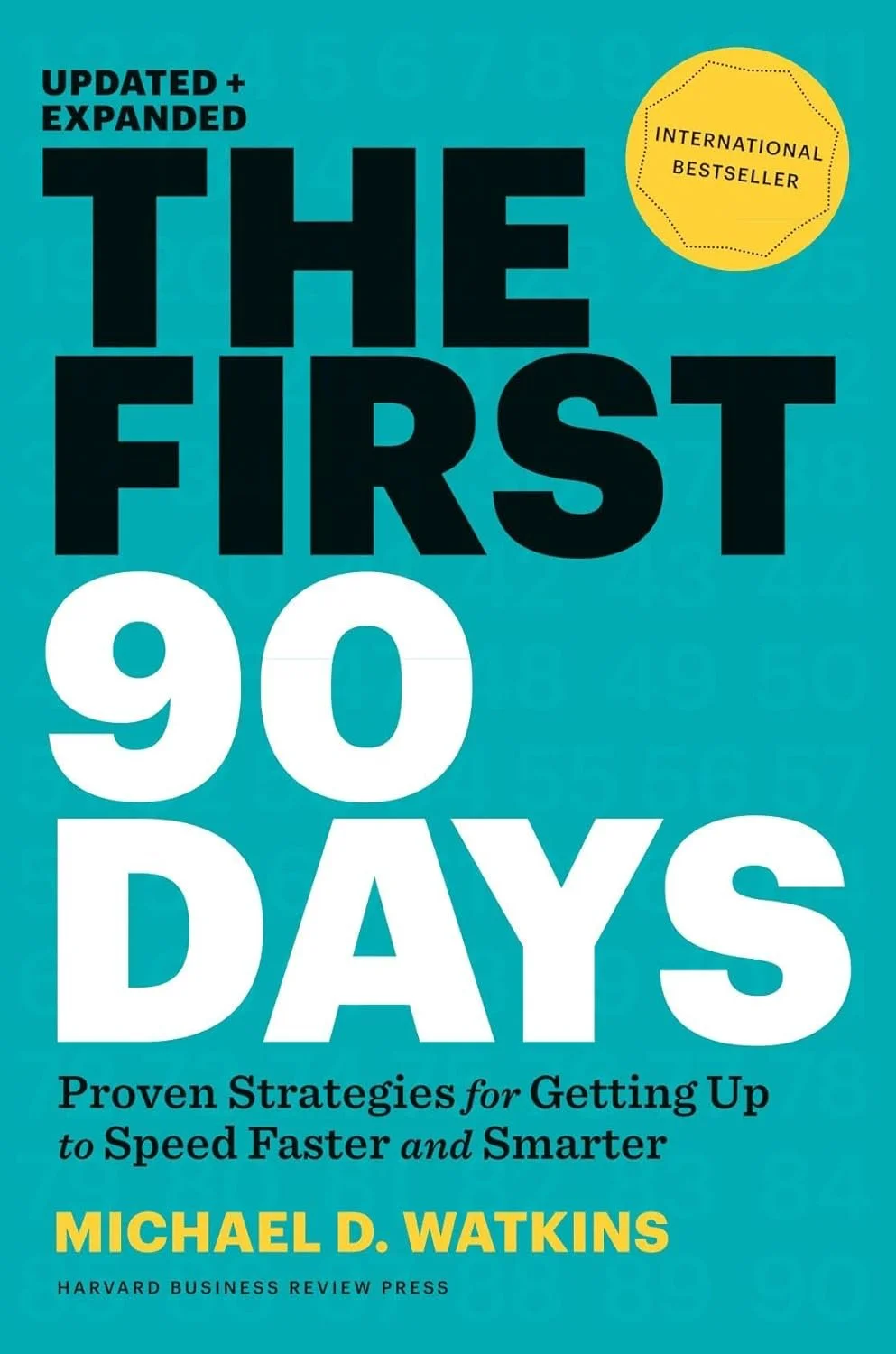
The First 90 Days, Updated and Expanded: Proven Strategies for Getting Up to Speed Faster and Smarter, Michael D. Watkins
The world's most trusted guide for leaders in transition
Transitions are a critical time for leaders. In fact, most agree that moving into a new role is the biggest challenge a manager will face. While transitions offer a chance to start fresh and make needed changes in an organization, they also place leaders in a position of acute vulnerability. Missteps made during the crucial first three months in a new role can jeopardize or even derail your success.
In the international bestseller The First 90 Days, Michael D. Watkins offers proven strategies for conquering the challenges of transitions — no matter where you are in your career. Watkins, a noted expert on leadership transitions and adviser to senior leaders in all types of organizations, also addresses today’s increasingly demanding professional landscape, where managers face not only more frequent transitions but also steeper expectations once they step into their new jobs.
By walking you through every aspect of the transition scenario, Watkins identifies the most common pitfalls new leaders encounter and provides the tools and strategies you need to avoid them. You’ll learn how to secure critical early wins, an important first step in establishing yourself in your new role. Each chapter also includes checklists, practical tools, and self-assessments to help you assimilate key lessons and apply them to your own situation.
Whether you’re starting a new job, being promoted from within, embarking on an overseas assignment, or being tapped as CEO, how you manage your transition will determine whether you succeed or fail. Use this book as your trusted guide.
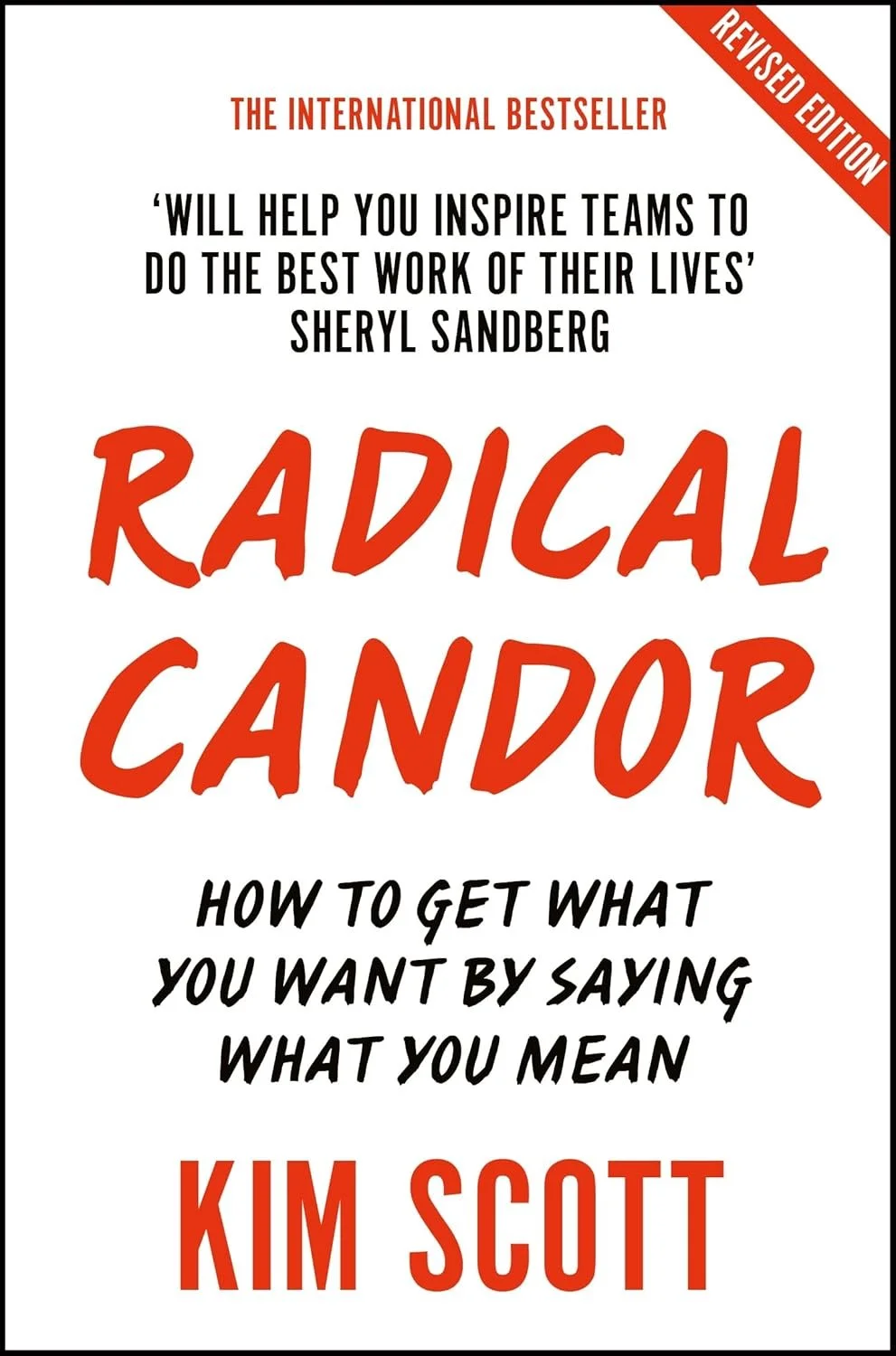
Radical Candor: How to Get What You Want by Saying What You Mean, Kim Scott
If you don't have anything nice to say then don't say anything at all . . . right?
While this advice may work for home life, as Kim Scott has seen first hand, it is a disaster when adopted by managers in the work place.
Scott earned her stripes as a highly successful manager at Google before moving to Apple where she developed a class on optimal management. Radical Candor draws directly on her experiences at these cutting edge companies to reveal a new approach to effective management that delivers huge success by inspiring teams to work better together by embracing fierce conversations.
Radical Candor is the sweet spot between managers who are obnoxiously aggressive on the one side and ruinously empathetic on the other. It is about providing guidance, which involves a mix of praise as well as criticism — delivered to produce better results and help your employees develop their skills and increase success.
Great bosses have a strong relationship with their employees, and Scott has identified three simple principles for building better relationships:
Make it personal
Get stuff done
Understand why it matters
Radical Candor is the perfect handbook for those who are looking to find meaning in their job and create an environment where people love both their work and their colleagues, and are motivated to strive to ever greater success.
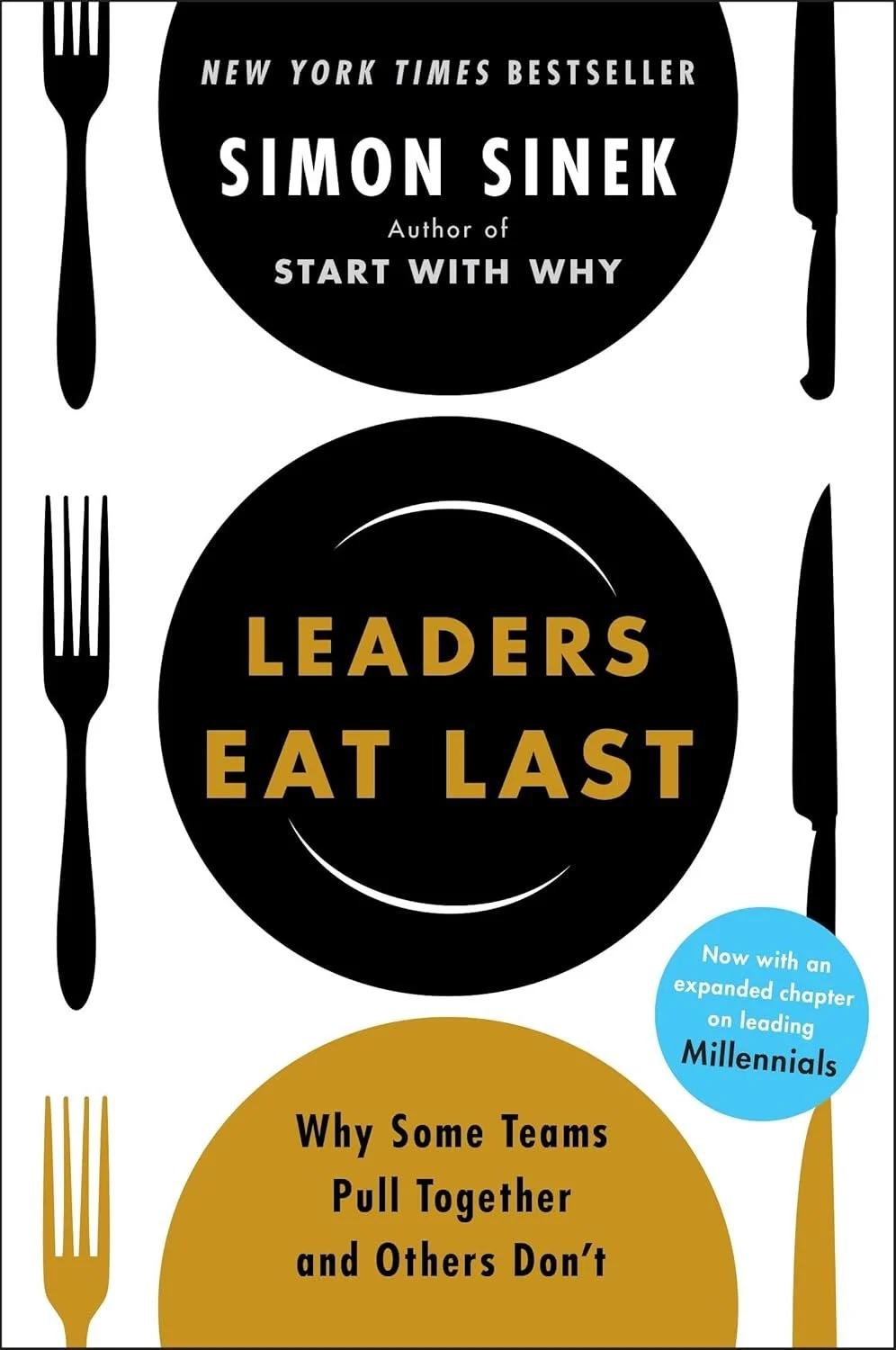
Leaders Eat Last: Why Some Teams Pull Together and Others Don't, Simon Sinek
Imagine a world where almost everyone wakes up inspired to go to work, feels trusted and valued during the day, then returns home feeling fulfilled. This is not a crazy, idealized notion. Today, in many successful organizations, great leaders create environments in which people naturally work together to do remarkable things.
In his work with organizations around the world, Simon Sinek noticed that some teams trust each other so deeply that they would literally put their lives on the line for each other. Other teams, no matter what incentives are offered, are doomed to infighting, fragmentation and failure. Why?
The answer became clear during a conversation with a Marine Corps general. "Officers eat last," he said. Sinek watched as the most junior Marines ate first while the most senior Marines took their place at the back of the line. What's symbolic in the chow hall is deadly serious on the battlefield: Great leaders sacrifice their own comfort — even their own survival — for the good of those in their care.
Too many workplaces are driven by cynicism, paranoia, and self-interest. But the best ones foster trust and cooperation because their leaders build what Sinek calls a "Circle of Safety" that separates the security inside the team from the challenges outside.
Sinek illustrates his ideas with fascinating true stories that range from the military to big business, from government to investment banking.
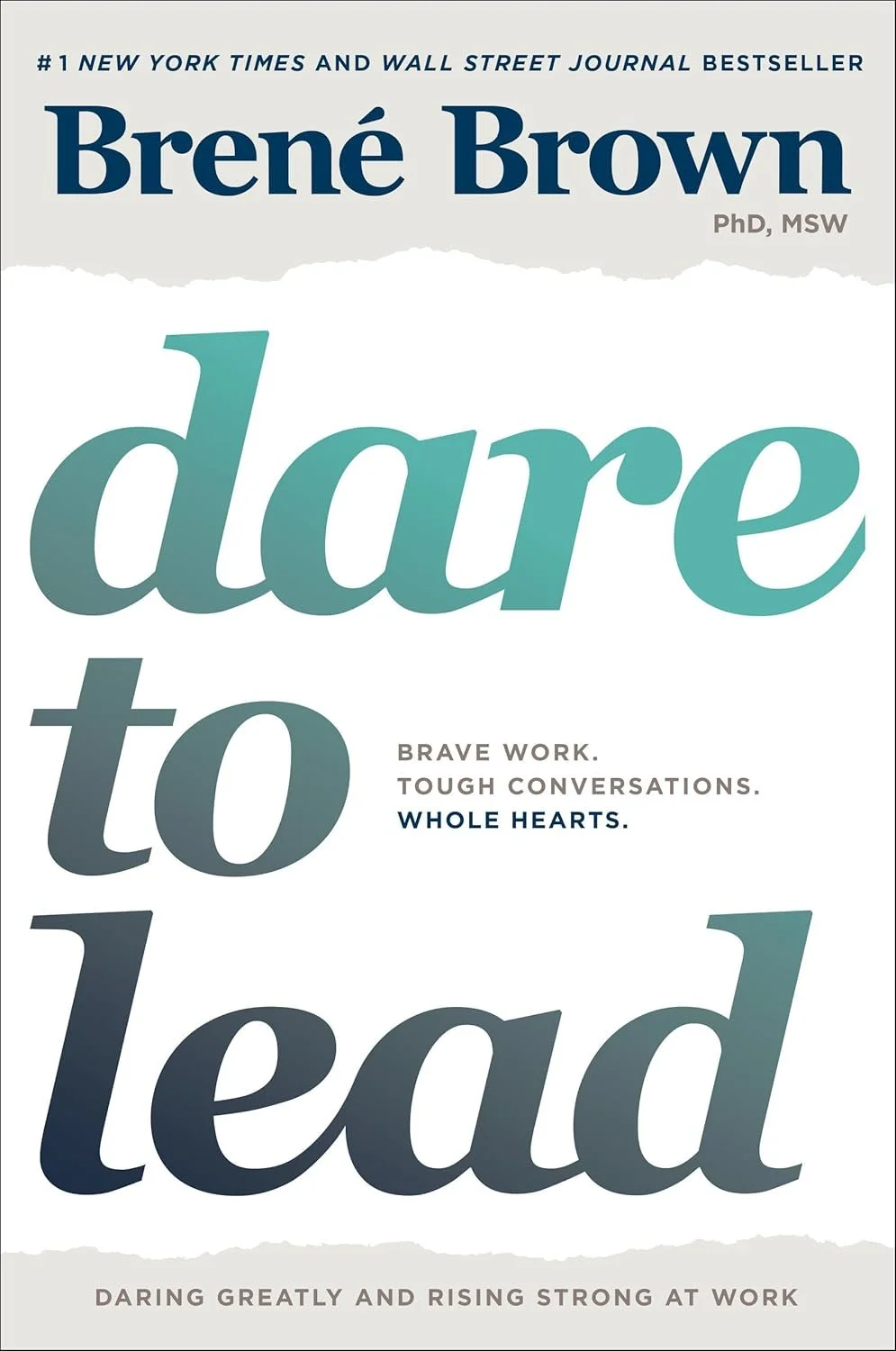
Dare to Lead: Brave Work. Tough Conversations. Whole Hearts, Brene Brown
Leadership is not about titles, status, and wielding power. A leader is anyone who takes responsibility for recognizing the potential in people and ideas, and has the courage to develop that potential.
When we dare to lead, we don’t pretend to have the right answers; we stay curious and ask the right questions. We don’t see power as finite and hoard it; we know that power becomes infinite when we share it with others. We don’t avoid difficult conversations and situations; we lean into vulnerability when it’s necessary to do good work.
But daring leadership in a culture defined by scarcity, fear, and uncertainty requires skill-building around traits that are deeply and uniquely human. The irony is that we’re choosing not to invest in developing the hearts and minds of leaders at the exact same time as we’re scrambling to figure out what we have to offer that machines and AI can’t do better and faster. What can we do better? Empathy, connection, and courage, to start.
Four-time #1 New York Times bestselling author Brené Brown has spent the past two decades studying the emotions and experiences that give meaning to our lives, and the past seven years working with transformative leaders and teams spanning the globe. She found that leaders in organizations ranging from small entrepreneurial startups and family-owned businesses to nonprofits, civic organizations, and Fortune 50 companies all ask the same question:
How do you cultivate braver, more daring leaders, and how do you embed the value of courage in your culture?
Whether you’ve read Daring Greatly and Rising Strong or you’re new to Brené Brown’s work, this book is for anyone who wants to step up and into brave leadership.
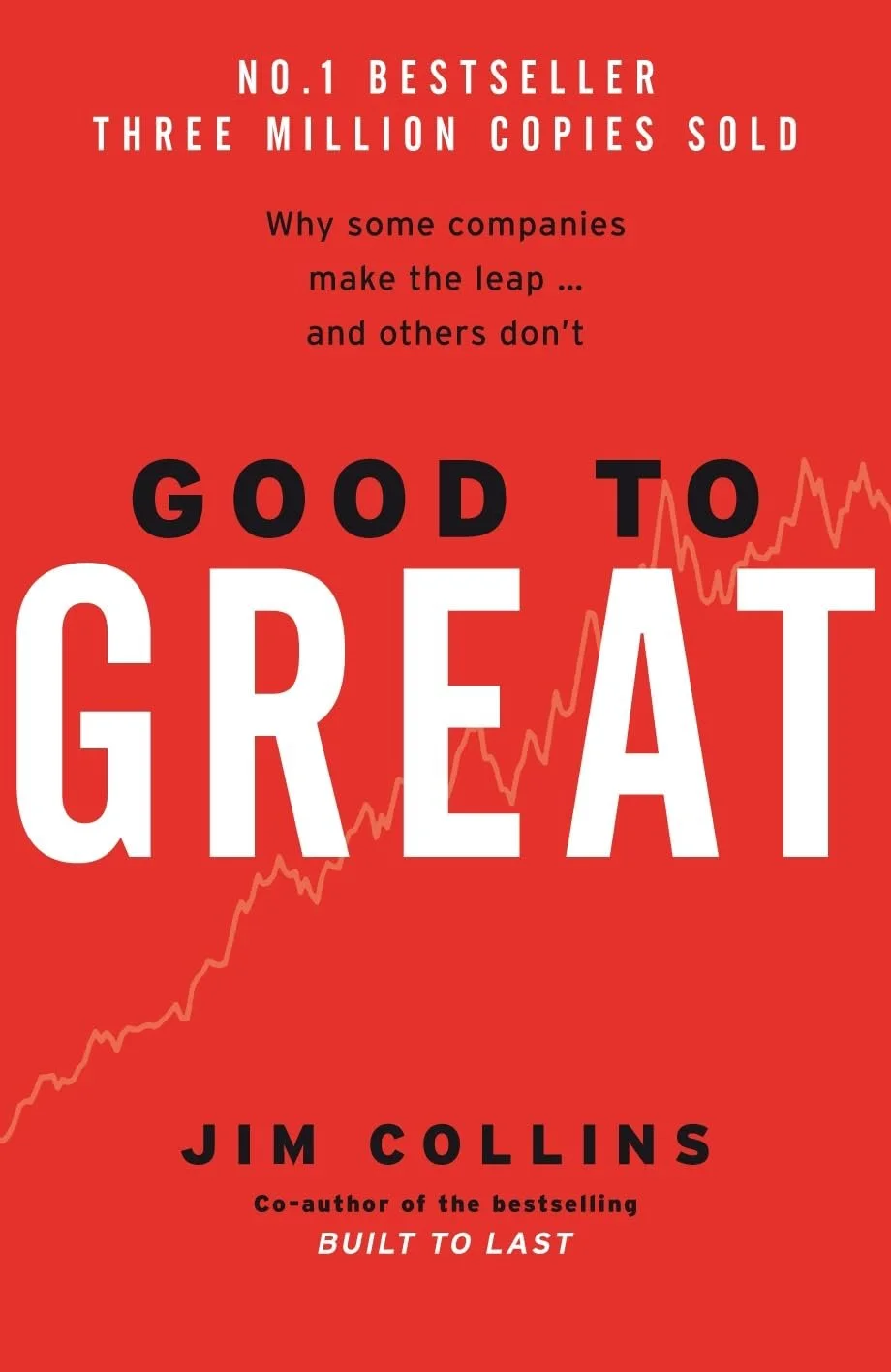
Good To Great: Why Some Companies Make the Leap... and Others Don't, Jim Collins
Can a good company become a great one? If so, how?
After a five-year research project, Jim Collins concludes that good to great can and does happen. In this book, he uncovers the underlying variables that enable any type of organisation to make the leap from good to great while other organisations remain only good. Rigorously supported by evidence, his findings are surprising — at times even shocking — to the modern mind.
Good to Great achieves a rare distinction: a management book full of vital ideas that reads as well as a fast-paced novel. It is widely regarded as one of the most important business books ever written.
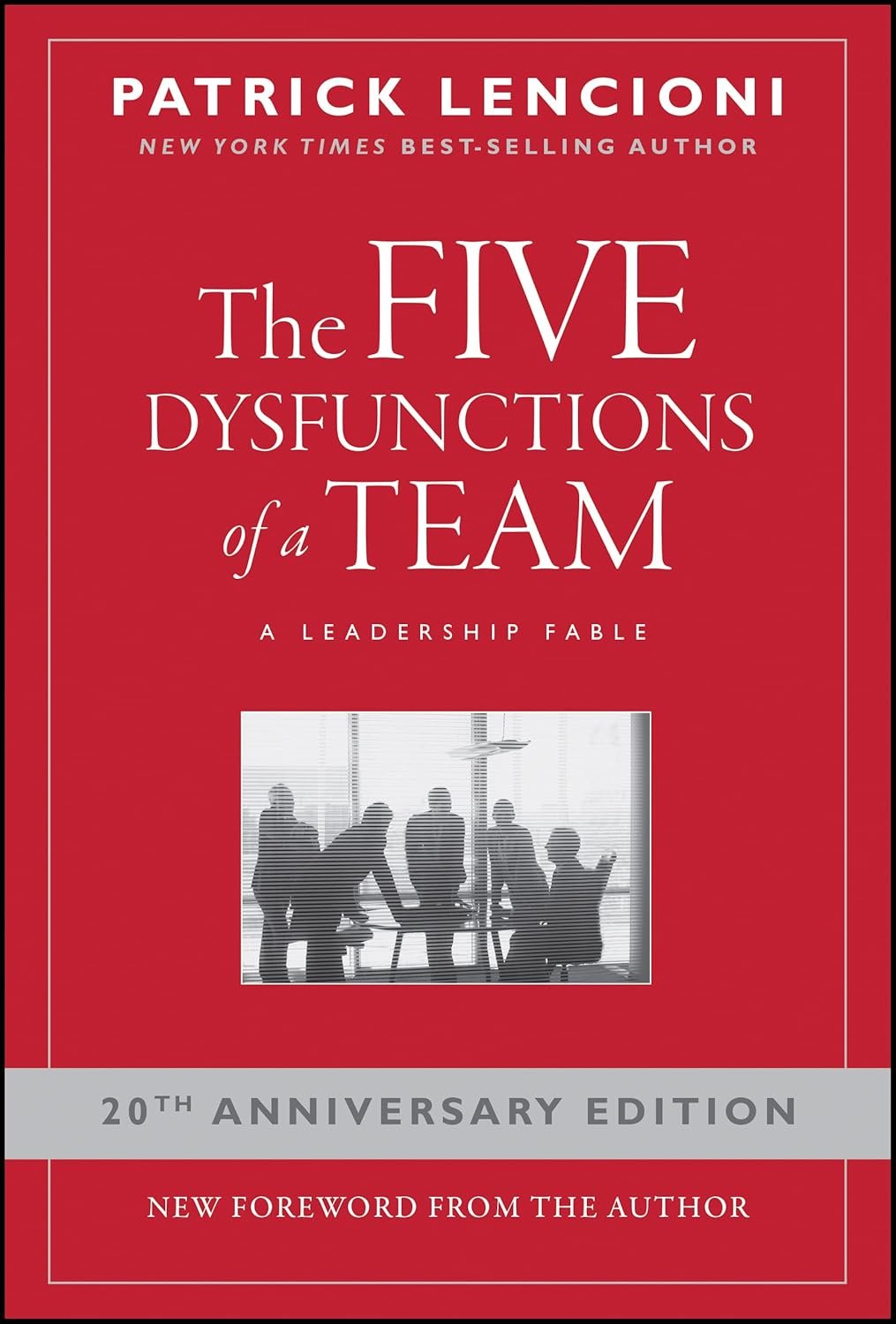
The Five Dysfunctions of a Team: A Leadership Fable, Patrick Lencioni
The New York Times best-selling team leadership handbook for modern executives, managers, and organisations.
After her first two weeks observing the problems at DecisionTech, Kathryn Petersen, its new CEO, had more than a few moments when she wondered if she should have taken the job. But Kathryn knew there was little chance she would have turned it down. After all, retirement had made her antsy, and nothing excited her more than a challenge. What she could not have known when she accepted the job, however, was just how dysfunctional her team was, and how team members would challenge her in ways that no one ever had before.
For twenty years, The Five Dysfunctions of a Team has been engaging audiences with a page-turning, realistic fable that follows the travails of Kathryn Petersen, DecisionTech’s CEO, as she faces the ultimate leadership crisis. She must unite a team in such disarray that it threatens to derail the entire company. Equal parts leadership fable and business handbook, this definitive source on teamwork by Patrick Lencioni reveals the five behavioral tendencies that go to the heart of why even the best teams struggle. He offers a powerful model and step-by-step guide for overcoming those dysfunctions and getting every one rowing in the same direction. Today, the lessons in The Five Dysfunctions of a Team are more relevant than ever.
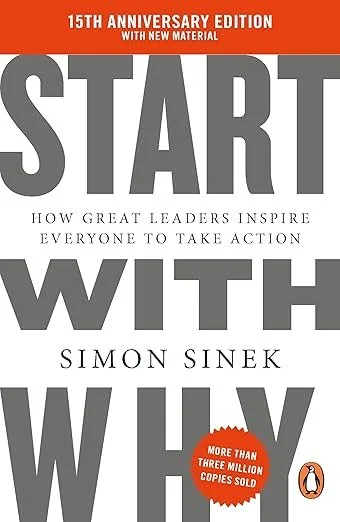
Start With Why: How Great Leaders Inspire Everyone to Take Action, Simon Sinek
A reminder of the importance of returning to basics when it comes to leadership vision and engaging and inspiring others.
In Start With Why, Simon Sinek explores the fundamental question behind successful leadership: why.
By examining the motivations of influential leaders, Sinek demonstrates that understanding and communicating your “why” is essential for inspiring others.
This transformative book is a must-read for anyone looking to enhance their leadership skills and create a meaningful impact.
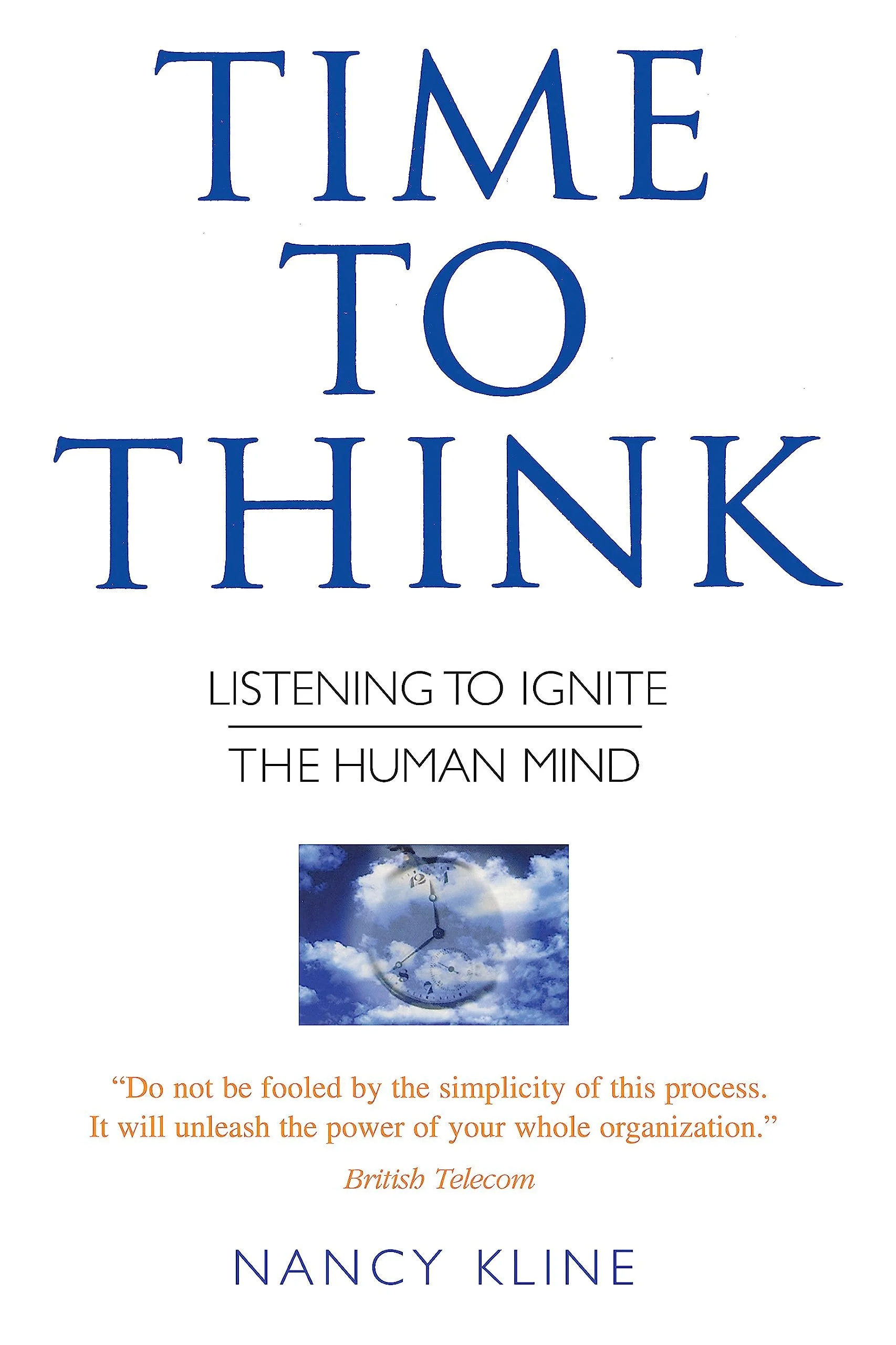
Time to Think: Listening to Ignite the Human Mind, Nancy Kline
Essential reading for humanity—Time to Think reminds us of the profound gift we can give each other: the ability to unlock our collective potential and intelligence.
Nancy Kline’s Time to Think redefines the art of listening as a transformative practice essential for effective communication and leadership.
Through a step-by-step guide, Kline provides tools to create a “Thinking Environment” that fosters creativity, trust, and collaboration.
This book is a treasure trove for anyone looking to enhance their interpersonal skills and cultivate more productive relationships, both personally and professionally.

Let’s Talk Coaching: Thinking About a Coaching Accreditation? Here’s a Great Place to Start.
Choosing to study coaching and work toward accreditation with the ICF or EMCC is a big decision. It’s not just about the financial commitment — it’s also the time, energy, and focus you’ll be investing. Before you take that step, it can be reassuring to explore the field and get a feel for whether the journey is right for you.
Books are a brilliant way to do just that. They let you dip your toe into the world of coaching, pick up new perspectives, and even start applying practical tools in your everyday life and career — without the pressure of a formal programme.
With that in mind, we’ve gathered our top recommendations for books that are honest, insightful, and genuinely useful. They’re great companions if you’re already working toward ICF or EMCC accreditation — and just as valuable if you’re still weighing up your options.
Whichever camp you’re in, the time you spend with these books will give you a return far greater than the investment.
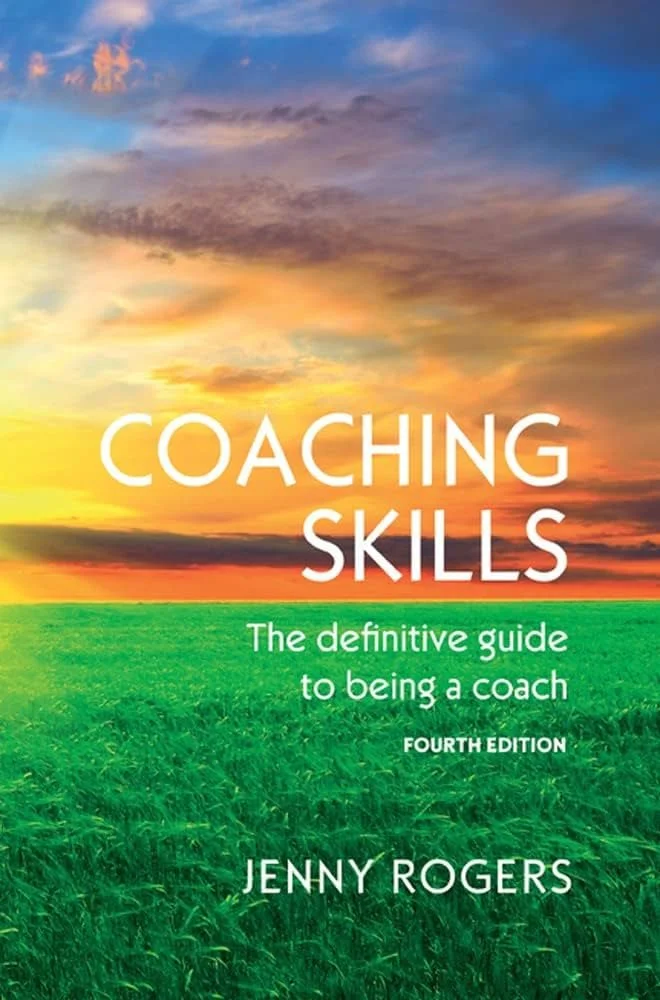
Coaching Skills — The definitive guide to being a coach, Jenny Rogers
This one tops our list for good reason. Our founder read it alongside studying for her ICF credential and completing her practitioner hours, and it quickly became the perfect companion.
What stood out was how closely the book mirrored real-life coaching practice — every client scenario she encountered seemed to have a parallel within its pages.
It’s an engaging, highly practical guide that manages to cover (almost) all the essentials in one place — making it a must-have for anyone serious about learning the craft of coaching.
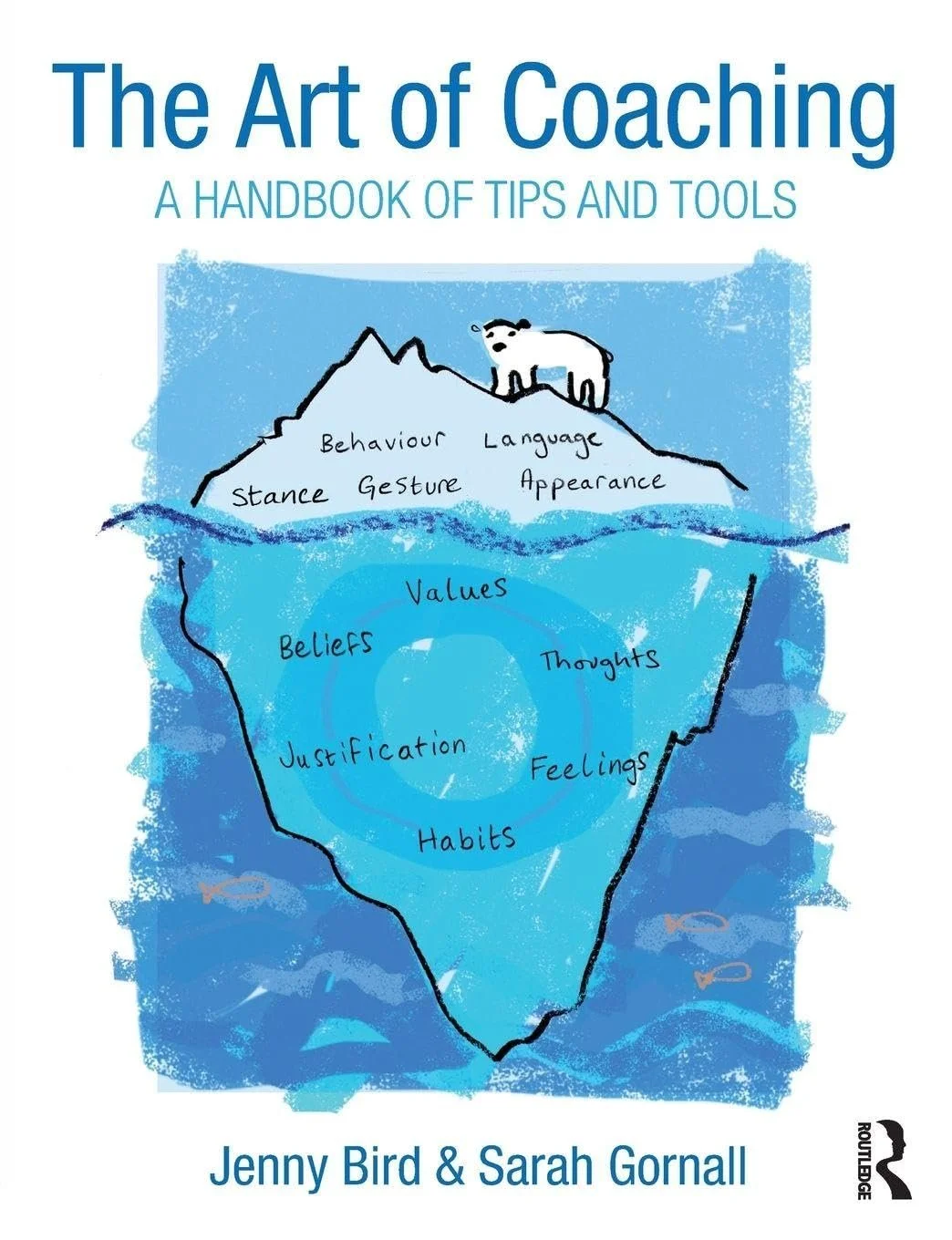
The Art of Coaching — A Handbook of Tips and Tools, Jenny Bird & Sarah Gornall
If you sometimes find yourself running out of fresh ideas for exercises or tools to use with clients or team tembers, this book is a fantastic resource. It lays out a wide range of practical, creative approaches that can easily be adapted to different coaching contexts.
What makes it so useful is the sheer variety—you’ll find techniques to spark reflection, shift perspectives, and help clients move forward in meaningful ways. It’s the kind of book you’ll keep dipping back into whenever you need inspiration for your coaching toolkit.
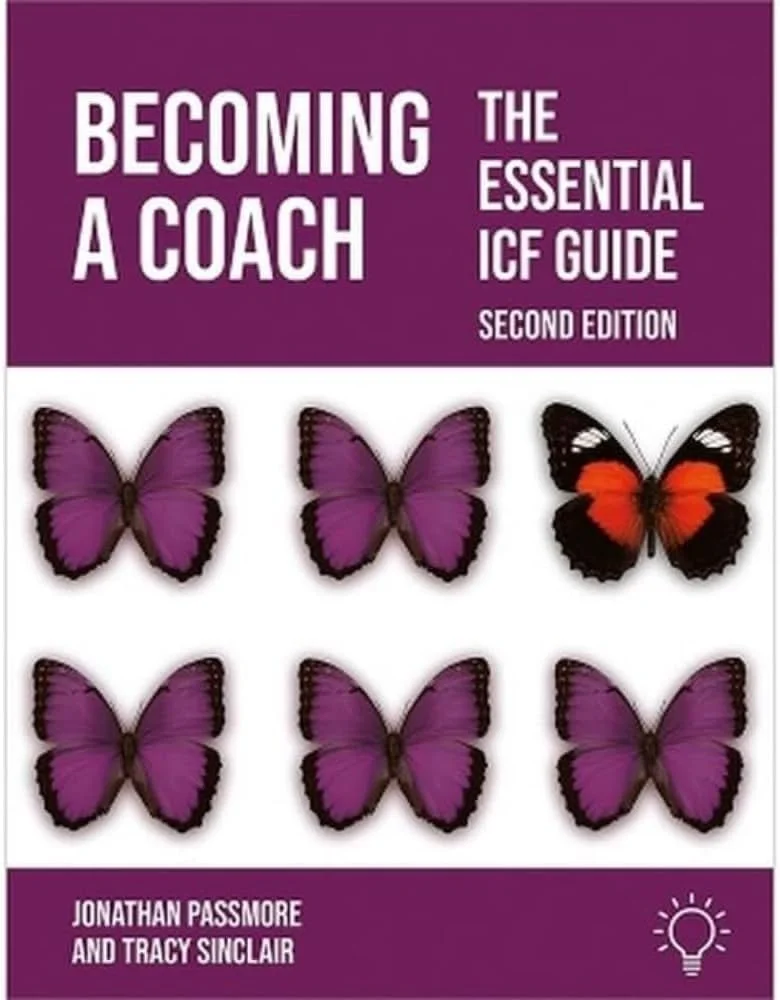
Becoming A Coach — The Essential ICF Guide, Jonathan Passmore & Tracy Sinclair
If you’re aiming for the highly regarded ICF coaching accreditation, this book is an invaluable guide. It walks you step by step through the ICF core competencies, breaking them down into clear, practical guidance that you can apply straight into your coaching practice.
It’s especially helpful in the run-up to exams — acting as both a reference point and a confidence boost. Think of it as a trusted study partner that keeps you focused on what really matters.
What will you read?
Coaching may not have strict rules or pathways, but that gives you the chance to take charge of your own development. Every book you read, every skill you practice, every lesson you reflect on shapes the kind of coach you become.
Keep learning, stay curious, and keep showing up — not just for your clients, but for yourself too.
Explore By Theme
Visit our shopfront at Bookshop.org