


The
edit
Books are a boon companion.
Stop staring at the shelves of your local bookstore – let us point you towards some of our faves.
Mindset & Motivation
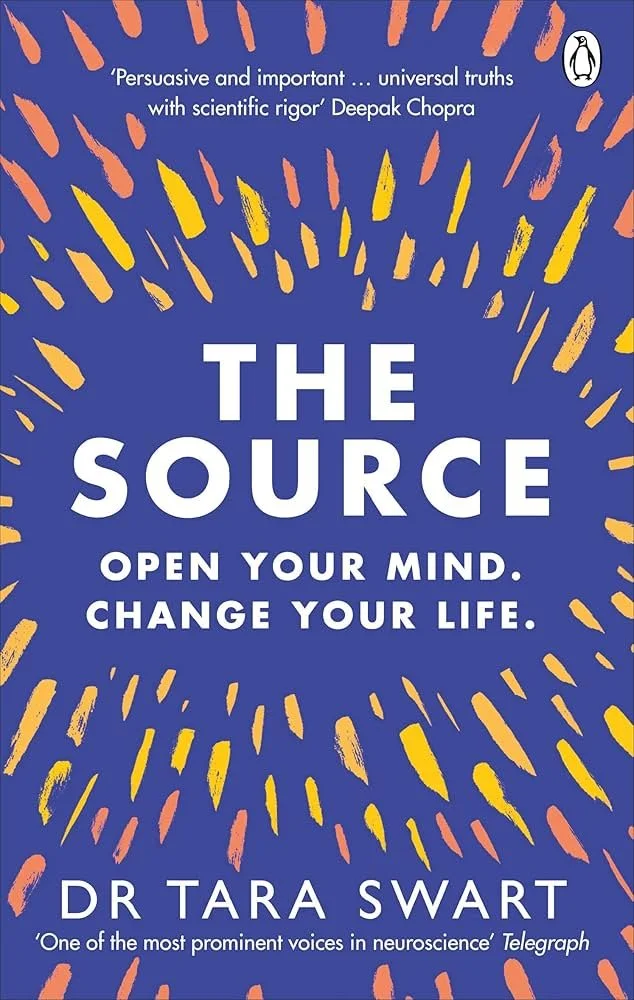
Dr Tara Swart’s The Source
If you’re interested in neuroscience, leadership, performance, or creating a more intentional life and career — this is a brilliant read.
Dr Tara Swart is a medical doctor specialising in psychiatry, a neuroscientist, and an executive coach. The Source is deeply researched yet incredibly accessible — a practical guide to how our minds work, what holds us back, and how we can create meaningful change in our lives and careers.
This is not a book about wishful thinking or surface-level manifesting. It’s grounded, science-backed, and action-oriented.
What stood out most for us:
The evolution of our brains
We’ve become hyper-logical and disconnected from emotion, intuition, and instinct — favouring productivity, control, and status over depth, connection, and meaning. We’ve stopped being and started endlessly doing, often on autopilot. Artificial Intelligence is the next shake up to the evolution of our brains and bodies.Whole-body intelligence
Rather than pitting head against heart and gut, (the ‘three brains’ we often try to differentiate – or feel like opposing views) The Source explains why our best decisions often come when rational thinking, emotion, and intuition are aligned. This is what law-of-attraction enthusiasts call the “intention point”, and neuroscience fully supports.The alignment crisis
When we’re stuck in roles or situations that drain us, chronic stress and elevated cortisol impact both our wellbeing and performance. Alignment and balance isn’t fluffy — it’s foundational to sustainable success.Bias, fear, and mental shortcuts
Our brains are wired to prioritise thinking about loss and risk twice as much as thinking about positive gain. Swart offers powerful ways to consciously interrupt unhelpful mental patterns.Caring for the brain
From hydration to rest, sleep, joy, and recovery — performance starts with physiology. Even mild dehydration can significantly impair focus, attention and memory.
A key insight that really stayed with us:
Our brains constantly tag present experiences based on past ones, assigning positive or negative meaning through memory. It’s efficient — but it also means we’re wired for assumption and bias.
Without awareness, we end up reacting to the past, not responding to the present.
Swart encourages us to become a watchman of our own minds and challenge this automatic pattern recognition by asking:
What’s different about now?
Is my interpretation of the past situation actually accurate?
Could I view this from another perspective?
This kind of whole-brain reflection helps us counterbalance our thinking — and make decisions that are more conscious, aligned, and intentional.
At its core, The Source reminds us that we’ve become overly biased toward logic when defining success, often at the expense of our deeper needs, intuition, and emotional intelligence.
If you’re interested in neuroscience, leadership, performance, or creating a more intentional life and career — this is a brilliant read.
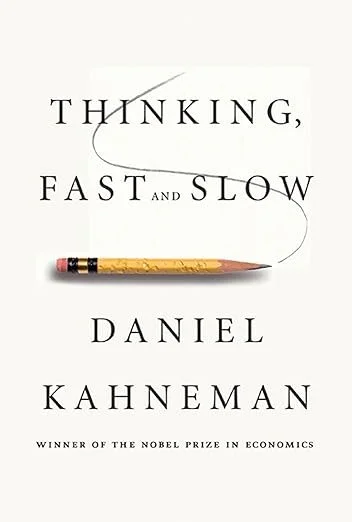
Thinking, Fast and Slow, Daniel Kahneman
In his mega bestseller, Thinking, Fast and Slow, Daniel Kahneman, world-famous psychologist and winner of the Nobel Prize in Economics, takes us on a groundbreaking tour of the mind and explains the two systems that drive the way we think.
System 1 is fast, intuitive, and emotional; System 2 is slower, more deliberative, and more logical. The impact of overconfidence on corporate strategies, the difficulties of predicting what will make us happy in the future, the profound effect of cognitive biases on everything from playing the stock market to planning our next vacation — each of these can be understood only by knowing how the two systems shape our judgments and decisions.
Engaging the reader in a lively conversation about how we think, Kahneman reveals where we can and cannot trust our intuitions and how we can tap into the benefits of slow thinking. He offers practical and enlightening insights into how choices are made in both our business and our personal lives — and how we can use different techniques to guard against the mental glitches that often get us into trouble. Topping bestseller lists for almost ten years, Thinking, Fast and Slow is a contemporary classic, an essential book that has changed the lives of millions of readers.
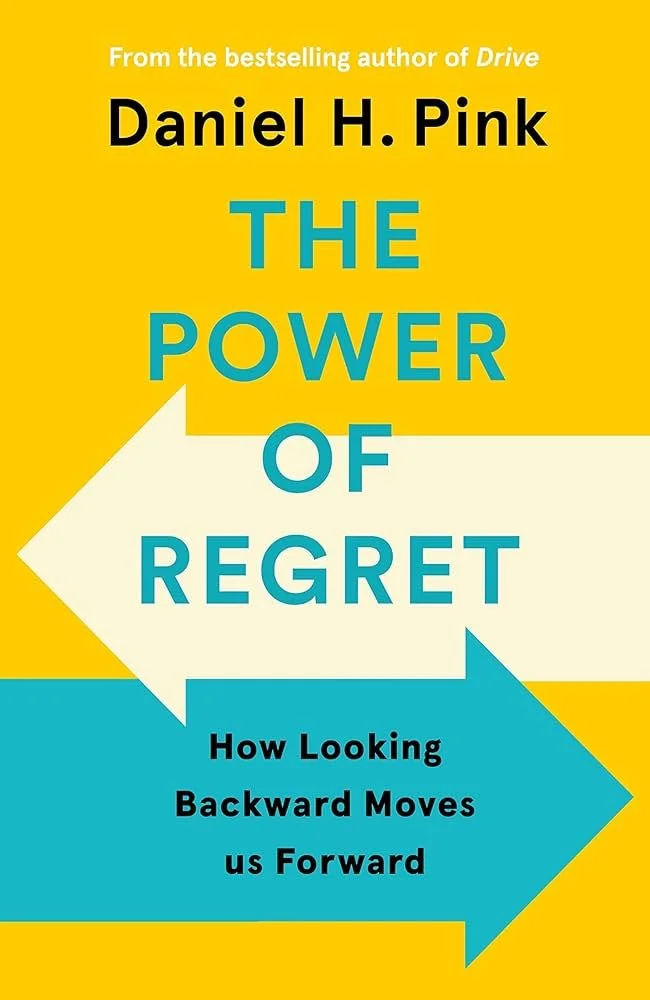
The Power of Regret — Modern Day FOMO by Dan Pink
“Regret is one of the heaviest emotions to carry as a human - we must learn self-compassion for ourselves, and compassion for others. Everyone makes mistakes.”
Recently we had the privilege of listening to best-selling author Dan Pink speak at the Dean Street Townhouse about his new book The Power of Regret.
Since then the boon team have read his book, so we thought we’d share our four biggest take-aways — and perhaps inspire you to read the book too!
1. Regrets can only be self-accountable; they are the result of our own actions, choices and behaviours. If someone else has done something regrettable to us — we can only be disappointed, we can’t be regretful. Regret is one of the heaviest emotions to carry as a human — we must learn self-compassion for ourselves, and compassion for others. Everyone makes mistakes.
2. After collating the regrets of over 16,000 people, Dan Pink discovered that our regrets fell into four key categories:
a) Foundation Regrets: The regrets we might have about taking or not taking action on areas that affect the very foundations of our lives today; namely around education, career, finances and health.
Sounds like: “If only I’d done the work”
The human need it reveals in us: Stability
b) Boldness Regrets: Regretting the actions we didn’t take; we weren’t bold enough to go after what really mattered to us.
Sounds like: “If only I’d taken the risk”
The human need it reveals in us: Growth
c) Moral Regrets: Acting out of alignment with our values and not being the good person we wanted to be.
Sounds like: “If only I’d done the right thing”
The human need it reveals in us: Goodness
d) Connection regrets: Fractured or unrealised relationships, friendships, partnerships or family ties.
Sounds like: “If only I’d reached out”
The human need it reveals in us: Love
3. We are far more likely to regret the things we didn’t do (missed opportunities), than the things we did do — and the statistics of regretting inaction only gets larger the older we get. We regret not living up to our own expectations of ourselves more than anything else.
4. The way forward:
Regrets make us feel worse today so that we can do better tomorrow.
They are encouraging us to have a bias for action in those areas of our lives today.
Anticipating regret can be a useful strategy in making better decisions today.
Rocket ship yourself into the future (5 / 10 years time) — will you regret your inaction today in any of the big four areas of your life? (foundation, boldness, moral, connection)
What action can you take today to ensure this does not happen?
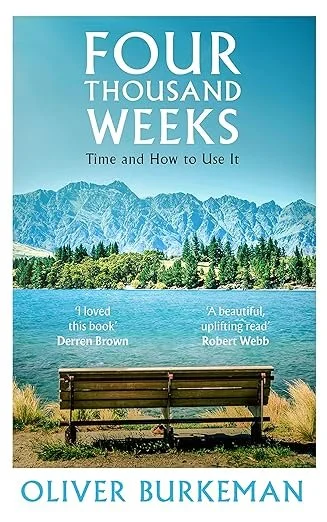
Four Thousand Weeks: Time and How to Use It, Oliver Burkeman
There’s nothing quite like seeing four thousand weeks represented as dots on a page to make you reevaluate how you’re ‘spending’ your time.
In Four Thousand Weeks, Oliver Burkeman presents a refreshing perspective on time management, inviting us to confront the reality that our time is limited. Rather than succumbing to the endless chase of productivity, he encourages us to focus on what truly matters. This book blends humor with deep philosophical insights to help readers embrace their limitations and construct a life filled with meaning. Burkeman’s approach is both uplifting and realistic, making it a must-read for anyone looking to live a more fulfilling and intentional life.
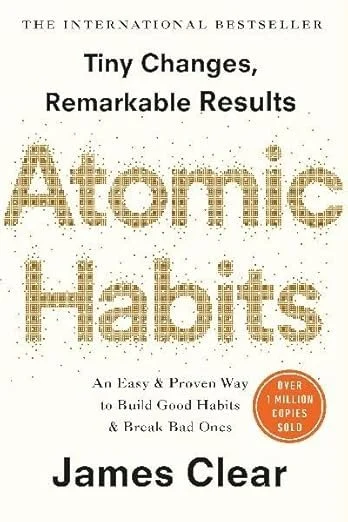
Atomic Habits: Tiny Changes, Remarkable Results, James Clear
It’s a blockbuster book for a reason—a practical guide to dissecting your habits and identifying what will get you where you want to go.
James Clear’s Atomic Habits teaches readers how to achieve remarkable results through small, incremental changes. By focusing on the science of habits, Clear provides practical strategies for building positive routines and breaking negative ones. This groundbreaking book is essential for anyone looking to transform their life through the power of tiny actions.
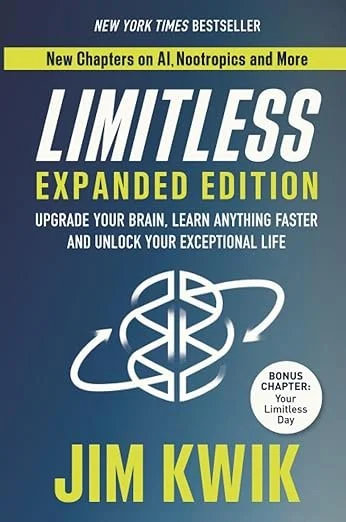
Limitless: Upgrade Your Brain, Learn Anything Faster and Unlock Your Exceptional Life, Jim Kwik
Easily one of our top five self-development books of all time—Kwik offers practical strategies for maximizing our brains and living our highest potential. An exceptionally engaging read that reminds us that the limit does not exist!
In Limitless, brain coach Jim Kwik shares science-backed techniques to unlock your brain’s full potential. This expanded edition introduces new insights on leveraging AI, nutrition, and practical methods to enhance cognitive performance. Kwik’s engaging style empowers readers to change their mindset, motivation, and methods, offering a roadmap to achieving personal and professional greatness. This book is a must-read for anyone looking to elevate their mental capabilities and transform their life.
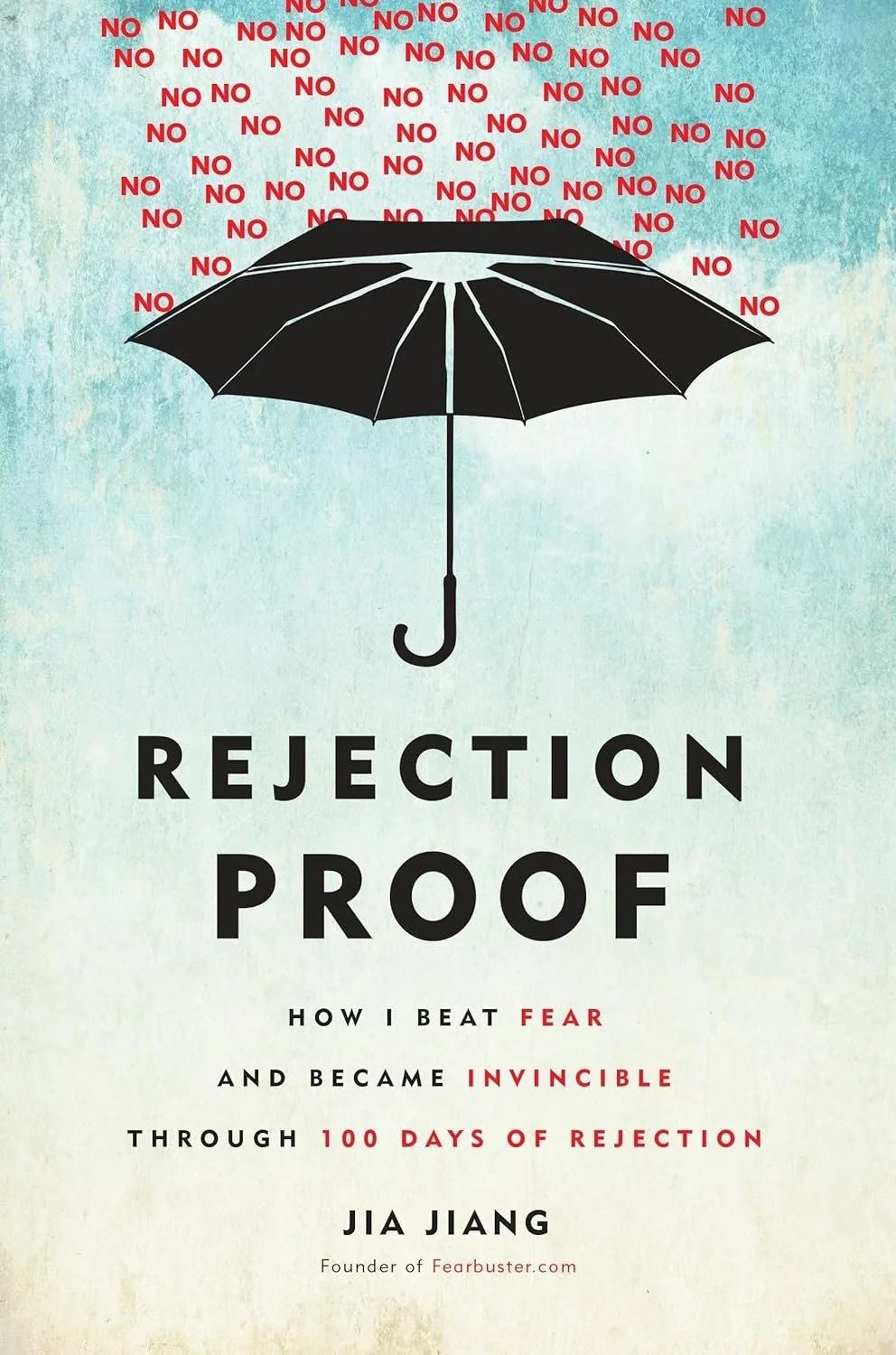
Rejection Proof: How I Beat Fear and Became Invincible Through 100 Days of Rejection, Jia Jiang
Jia Jiang went to the United States with the dream of being the next Bill Gates. But despite early success in the corporate world, his first attempt to pursue his entrepreneurial dream ended in rejection. Jia was crushed and spiraled into a period of deep self-doubt. Jia realised that his fear of rejection was a bigger obstacle than any single rejection would ever be; he needed to find a way to cope with being told "no" that wouldn't destroy him.
Inspired by rejection therapy, which uses similar modalities as exposure therapy to desensitize you to the effects of being rejected, he undertook the "100 days of rejection" experiment, during which he willfully sought out rejection on a daily basis — from requesting a lesson in sales from a car salesman (no) to asking a flight attendant if he could make an announcement on the loud speaker (yes) to his famous request to get Krispy Kreme donuts in the shape of Olympic rings (yes, with a viral video to prove it).
Over the course of one hundred rejection attempts, Jia realized that even the most preposterous wish might be granted if you ask the right way. He learned the secrets to making successful requests, tactics for picking the right people to approach at the right time, and strategies for converting an initial no into something positive. More important, Jia discovered ways to steel himself against rejection and live more fearlessly — skills that can't be derailed by a single setback. The changes Jia experienced from his rejection therapy experiment went far beyond becoming more successful in business; he realized that he could apply these techniques to get more out of his relationships with friends, family, and even casual encounters with strangers.
Filled with great stories and valuable insight, Rejection Proof shares the secrets of Jia's rejection journey, distilling each lesson into a strategy that can be used in any negotiation or pitch.
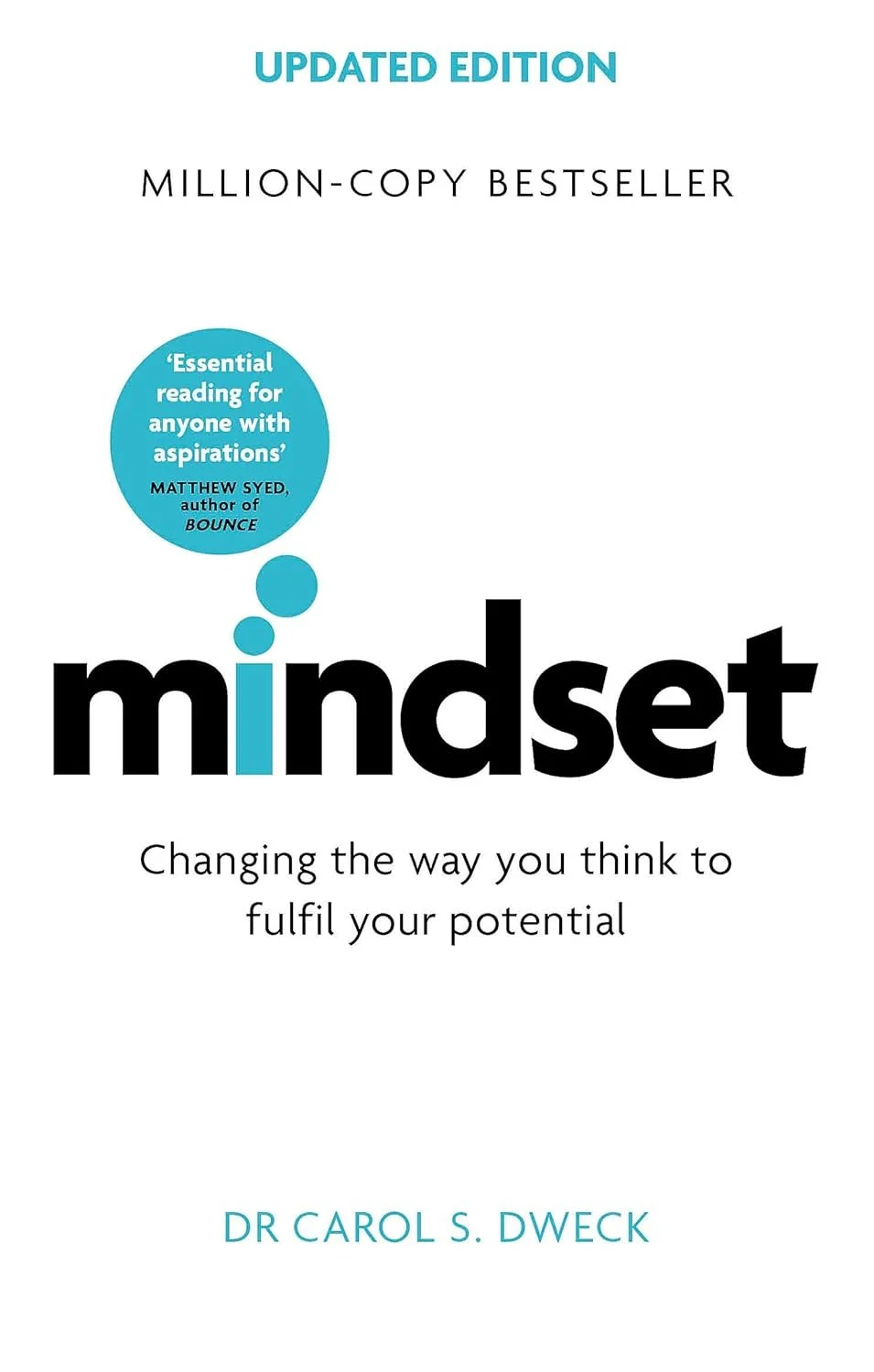
Mindset - Updated Edition: Changing The Way You think To Fulfil Your Potential, Carol Dweck
World-renowned Stanford University psychologist Carol Dweck, in decades of research on achievement and success, has discovered a truly groundbreaking idea — the power of our mindset.
Dweck explains why it's not just our abilities and talent that bring us success — but whether we approach them with a fixed or growth mindset. She makes clear why praising intelligence and ability doesn't foster self-esteem and lead to accomplishment, but may actually jeopardise success. With the right mindset, we can motivate our kids and help them to raise their grades, as well as reach our own goals-personal and professional. Dweck reveals what all great parents, teachers, CEOs, and athletes already know: how a simple idea about the brain can create a love of learning and a resilience that is the basis of great accomplishment in every area.
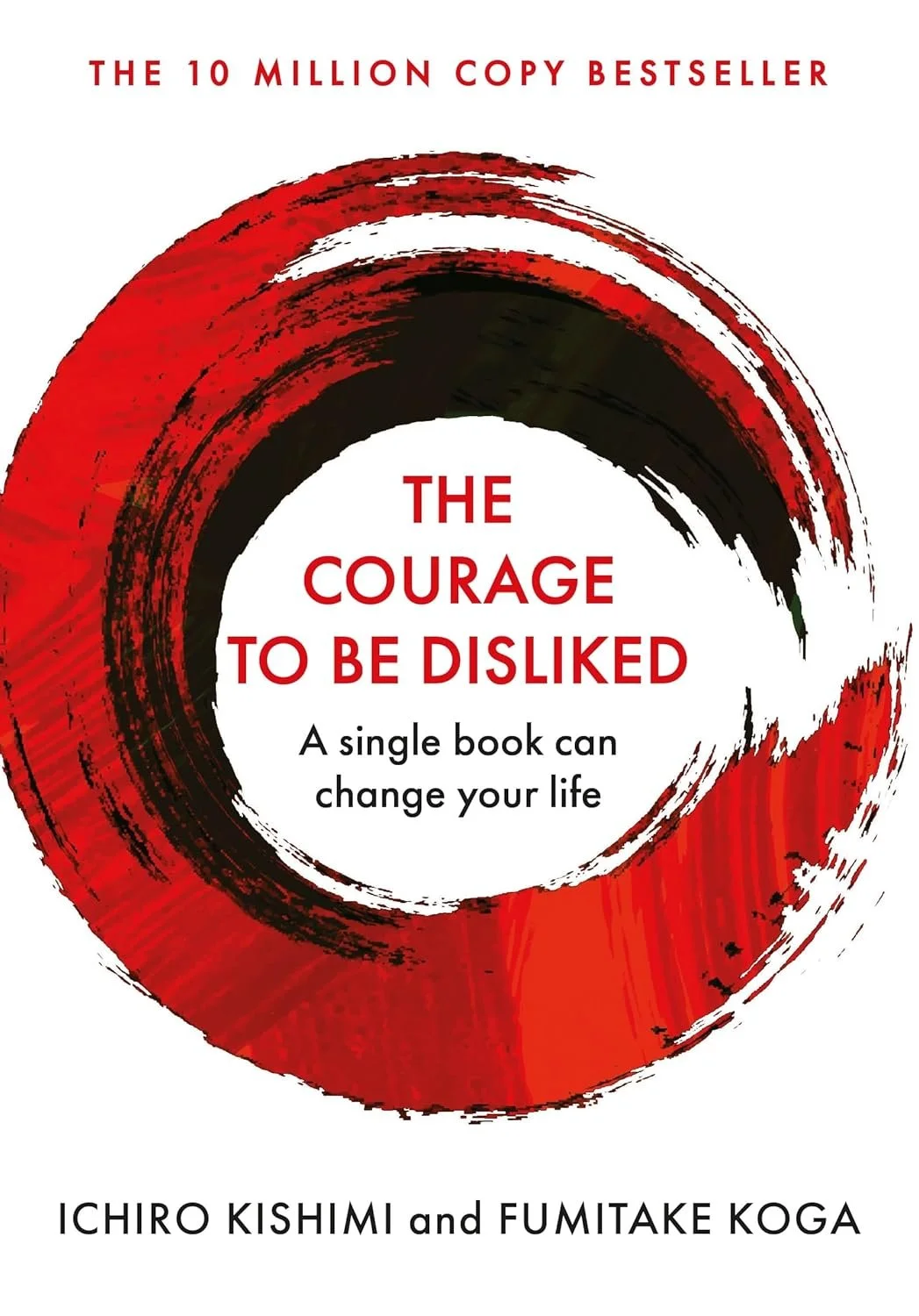
The Courage To Be Disliked: A single book can change your life, Ichiro Kishimi and Fumitake Koga
Stop people-pleasing and achieve true happiness.
Millions have already benefited from the wisdom dispensed in The Courage to Be Disliked, its simple yet profound advice showing us how to harness our inner power to become the person we would like to be.
A philosopher and a student have a discussion. Their conversation reveals a profoundly liberating way of thinking: by developing the courage to change, set healthy boundaries and resist the impulse to please others, it is possible to find genuine and lasting happiness.
Your life is not something that someone gives you, but something you choose yourself, and you are the one who decides how you live.
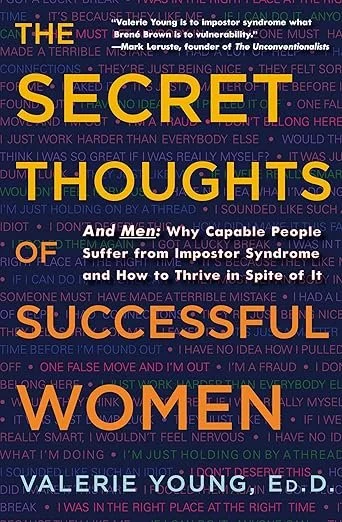
The Secret Thoughts of Successful Women and Men: Why Capable People Suffer from the Impostor Syndrome and How to Thrive in Spite of It, Valerie Young
What are the different types of impostor syndrome? How do we recognize them, and how do we overcome them? Young shares her research into the secret thoughts of successful women and men and why we need to move on from impostor syndrome.
It’s only because they like me. I was in the right place at the right time. I just work harder than the others. I don’t deserve this. It’s just a matter of time before I am found out. Someone must have made a terrible mistake.
If you are a working woman, chances are this internal monologue sounds all too familiar. And you’re not alone. While impostor syndrome is not unique to women, women are more apt to agonize over tiny mistakes, see even constructive criticism as evidence of their shortcomings, and chalk up their accomplishments to luck rather than skill. They often unconsciously overcompensate with crippling perfectionism, overpreparation, maintaining a lower profile, withholding their talents and opinions, or never finishing important projects. When they do succeed, they think, Phew, I fooled ’em again.
Dr. Valerie Young’s The Secret Thoughts of Successful Women and Men addresses the impostor syndrome that many high-achieving women face. With insightful analysis and practical advice, Young empowers readers to recognise their worth and overcome self-doubt.
This book is a crucial resource for people seeking to embrace their accomplishments and thrive in their personal and professional lives.
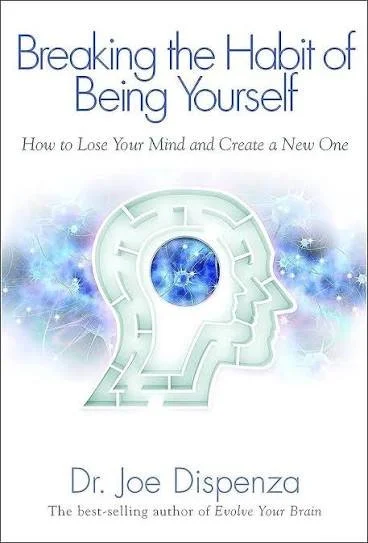
Breaking the Habit of Being Yourself: How to Lose Your Mind and Create a New One, Dr Joe Dispenza
Discover how to reprogram your biology and thinking, and break the habit of being yourself so you can truly change your mind and life.
Bestselling author, international speaker, chiropractor, and renowned researcher of epigenetics, quantum physics, & neuroscience, Dr. Joe Dispenza shares that you are not doomed by your genes and hardwired to be a certain way for the rest of your life.
New science is emerging that empowers all human beings to create the reality they choose.
In Breaking the Habit of Being Yourself, Dr. Joe Dispenza combines the fields of quantum physics, neuroscience, brain chemistry, biology, and genetics to show you what is truly possible and how to recondition the body and create better health.
Not only will you be given the necessary knowledge to change your energy and any aspect of yourself, but you will be taught the step-by-step tools to apply what you learn in order to make measurable changes in any area of your life.
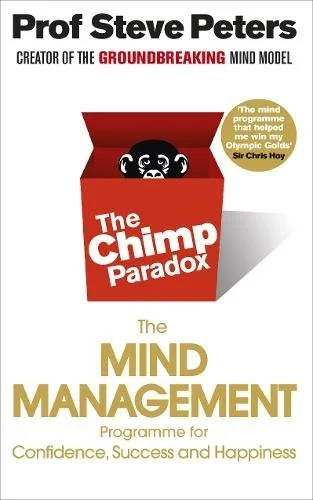
The Chimp Paradox: The Mind Management Programme for Confidence, Success and Happiness, Prof Steve Peters
Do you sabotage your own happiness and success? Are you struggling to make sense of yourself? Do your emotions sometimes dictate your life?
In his revolutionary, science-backed bestseller, Dr Steve Peters introduces The Chimp Paradox, the powerful mind management model that can help you become a happier, confident, and more successful person.
Drawing on years of research, Dr Peters explains the struggle that takes place within your mind and then shows how to apply this understanding to every area of your life so you can:
Recognise how your mind works
Understand and manage your emotions and thoughts
Reduce anxiety and grow self-confidence
Identify what is holding you back
Take control and improve your decision-making
Build success in both your personal and professional life
Each chapter explores how your mind functions, highlighting key insights and practical exercises designed to help you see improvements in your daily life and build lasting emotional skills.
Packed with proven techniques and easy-to-follow guidance, The Chimp Paradox will help you develop the habits and mindset needed to become the person you want to be.
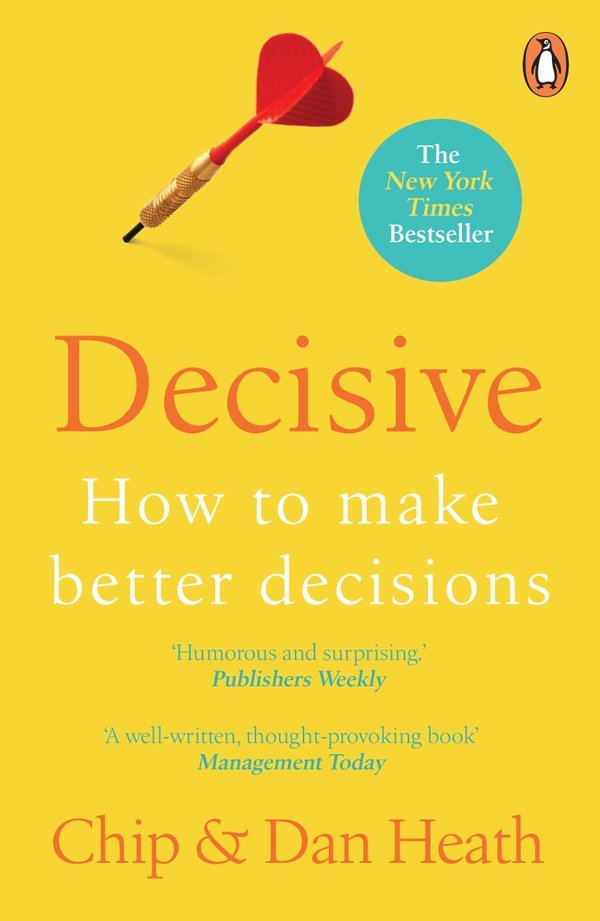
Decisive: How to Make Better Decisions, Chip Heath and Dan Heath
Research in psychology has revealed that our decisions are disrupted by an array of biases and irrationalities. We're overconfident. We seek out information that supports us and downplay information that doesn't. We get distracted by short-term emotions. When it comes to making choices, our brains are flawed instruments. So, how can we do better?
In Decisive, Chip and Dan Heath draw on cutting-edge psychological research to introduce a four-step process designed to counteract these biases. They reveal how we can stop the cycle of agonizing over our decisions, how can we make group decisions without destructive politics, and how to ensure that we don't overlook precious opportunities to change our course. Along the way, they demonstrate how relatively easy it is to avoid the pitfalls and find the best answers.
Written in a compulsively readable style, Decisive takes us on a tour from a rock star's ingenious decision-making trick, to a CEO's disastrous acquisition, to a single question that can often resolve thorny personal decisions, in order to offer fresh strategies and practical tools that will enable you to make better choices. Because the right decision, at the right moment, can make all the difference.
On Our Radar: Recent Releases
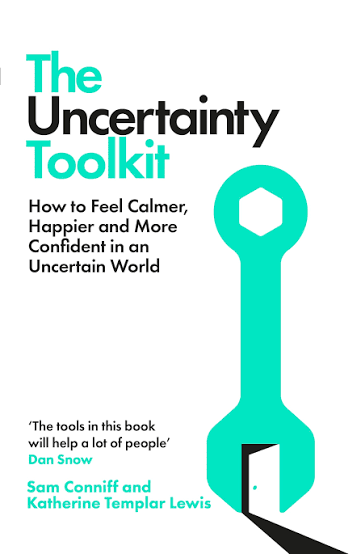
The Uncertainty Toolkit: How to Feel Calmer, Happier and More Confident in an Uncertain World, Sam Conniff and Katherine Templar Lewis
It’s the ‘Do you have five minutes?’ message from your boss. The ‘We need to chat’ from a loved one. Those spiralling thoughts at 3 a.m. and buzz of yet another breaking news alert. The potential coming waves of AI, climate change and unstable governments.
For most of us, uncertainty is paralysing. But learning to navigate it effectively means more confidence, less anxiety and deeper connection with others.
The Uncertainty Toolkit is a pioneering, evidence-based guide to doing just that. Drawing on the world’s most extensive study into ‘uncertainty tolerance’, led with professors from University College London, it explains the science behind how we cope with the unknown. This research is combined with the radical expertise of an unlikely group of experts — former addicts, hostages, gangland bosses and prisoners — who’ve turned their experience of extreme uncertainty into major mainstream success.
The result is a detailed, practical blueprint that will help anyone turn unpredictability into personal and professional growth.
Explore By Theme
Visit our shopfront at Bookshop.org